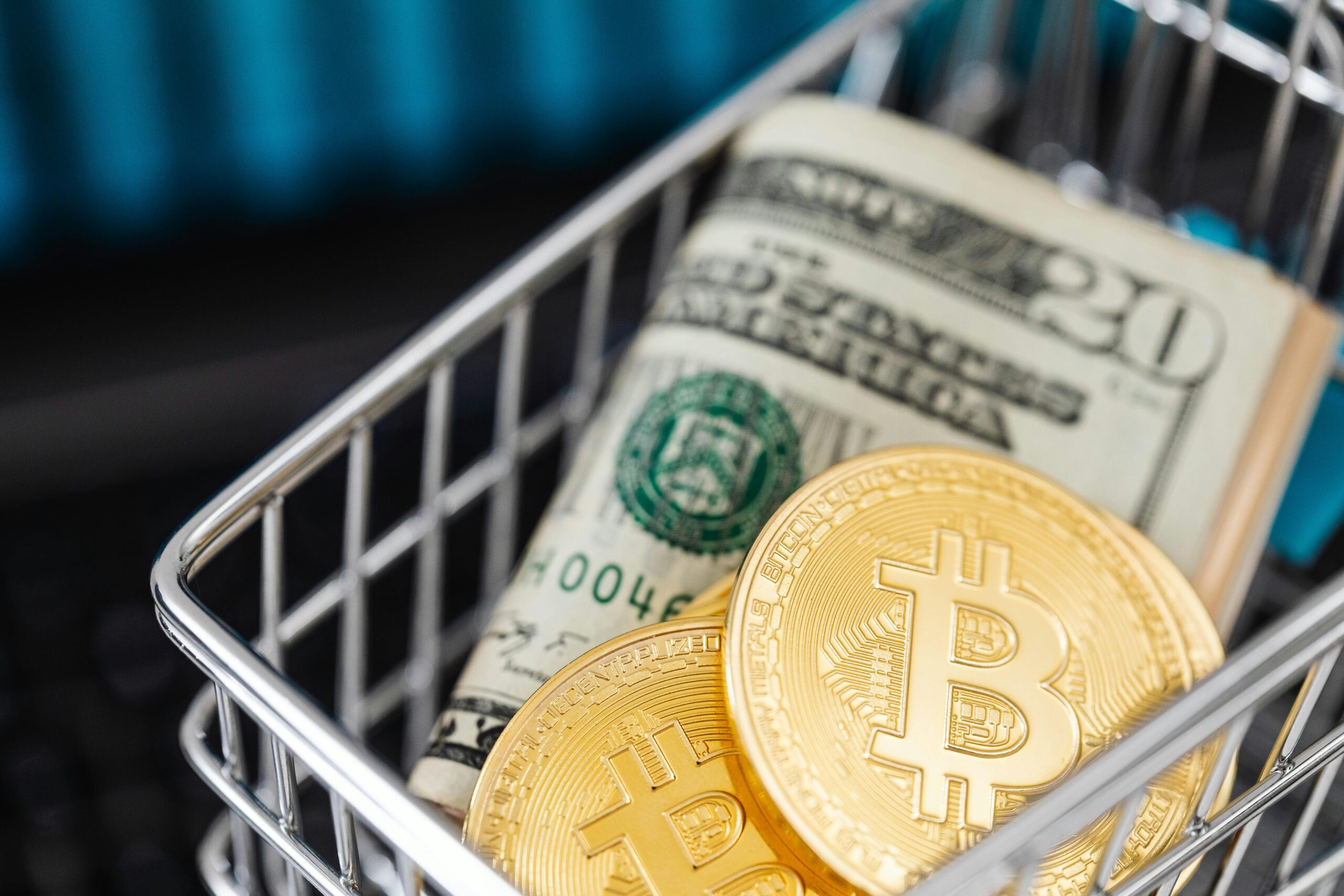
El Salvador Bitcoin Legal Tender Removal: What’s Next?
The recent buzz around El Salvador Bitcoin legal tender removal has left crypto enthusiasts and investors on the edge of their seats. After being the first country to adopt Bitcoin as an official currency in 2021, El Salvador’s shocking move to possibly revoke Bitcoin’s legal tender status raises countless questions. What does this mean for the future of cryptocurrency in the region? And how will this decision impact the global Bitcoin adoption trends? If you’ve been tracking the latest developments in the crypto world, you won’t want to miss what’s unfolding next.
El Salvador’s initial bold step to make Bitcoin a legal tender was hailed as a revolutionary moment in financial history, promising to boost economic growth and attract foreign investment. But now, whispers about the government’s intentions to remove Bitcoin as legal tender are stirring controversy. Could this signal a major setback for digital currency acceptance, or is it just a strategic pivot? Many are asking, “Is El Salvador’s Bitcoin experiment failing?” and “What’s next for the country’s economy?” These questions highlight the uncertainty and excitement surrounding the potential policy reversal.
As the debate intensifies, experts and analysts are closely watching how this decision will affect cryptocurrency regulations, investor confidence, and the broader Latin American market. Will El Salvador double down on traditional financial systems, or is there a new path forward for Bitcoin and other cryptocurrencies? Stay tuned to uncover the latest insights and what the future holds after El Salvador’s Bitcoin legal tender removal shockwave.
Understanding El Salvador’s Bitcoin Legal Tender Removal: Key Facts You Need to Know
Understanding El Salvador’s Bitcoin Legal Tender Removal: Key Facts You Need to Know
El Salvador become the first country to adopt bitcoin as legal tender back in 2021, a move that shocked many in the financial world. However, recent developments show that the country has now removed bitcoin’s status as legal tender, creating waves of discussions among legal experts, economists, and international observers. If you are a lawyer or someone interested in the legal landscape of cryptocurrencies, this change in El Salvador’s policy is crucial to understand. This article explores the key facts about El Salvador bitcoin legal tender removal, what led to this decision, and what might happen next for the country and the global crypto community.
Background: Why El Salvador Adopted Bitcoin as Legal Tender
Before we jump into the removal, it’s important to know why El Salvador initially embraced bitcoin. In June 2021, El Salvador passed the “Bitcoin Law,” making bitcoin an official currency alongside the US dollar. The government said it would help financial inclusion, attract foreign investment, and reduce remittances costs from abroad. About 70% of El Salvador’s population were unbanked at that time, so bitcoin was seen as a tool for economic empowerment.
Key reasons for bitcoin adoption included:
- Encouraging remittances through low-cost transactions
- Boosting tourism and tech investments
- Promoting innovation in financial services
Despite these goals, the implementation faced problems like volatility in bitcoin’s price, lack of widespread acceptance, and international skepticism.
What Does Removing Bitcoin as Legal Tender Mean?
Removing bitcoin’s legal tender status means it is no longer recognized by law to be accepted for all debts, public and private. This does not mean bitcoin is banned or illegal in El Salvador, but it no longer holds the official currency role it once did. Citizens and businesses are not required to accept bitcoin for goods or services, and the government will not use it for tax payments.
Here’s a simple comparison to clarify:
| Aspect | When Bitcoin Was Legal Tender | After Removal |
|---|---|---|
| Required Acceptance | Mandatory by law | Optional |
| Use for Tax Payments | Allowed | Not allowed |
| Government Backing | Supported and promoted | No official support |
| Market Impact | Increased usage attempts | Likely decreased usage |
Reasons Behind El Salvador’s Bitcoin Legal Tender Removal
Several factors contributed to this unexpected reversal. Among the biggest were economic, legal, and social concerns:
- Economic Instability: Bitcoin’s extreme price fluctuations made it a risky currency for daily transactions and reserves.
- International Pressure: Global financial institutions like the IMF and World Bank expressed concerns about financial risks and transparency.
- Public Opposition: Many Salvadorans remained distrustful or uninterested in using bitcoin, preferring the stability of the US dollar.
- Technical Challenges: The government’s bitcoin wallet, Chivo, faced technical glitches and low adoption.
- Legal Complexities: Ambiguities about consumer protections, contracts, and dispute resolutions involving bitcoin created legal headaches.
What’s Next for El Salvador and Bitcoin?
With bitcoin’s legal tender status revoked, the country now faces new questions and opportunities. Here’s what might happen moving forward:
- Focus on Regulation: El Salvador may develop clearer cryptocurrency regulations instead of outright making it legal tender.
- Financial Stability Efforts: The government will likely prioritize stabilizing its economy and attracting investment without bitcoin’s volatility.
- Innovation in Blockchain: Despite the removal, blockchain technology could still be used in government services or private sectors.
- International Relations: El Salvador may seek better alignment with global financial norms to access aid and loans.
- Legal Framework Development: Local lawyers and policymakers will need to create legal standards for crypto transactions, ownership, and dispute settlement.
Practical Examples of Legal Implications
For lawyers working in New York or elsewhere, understanding El Salvador’s situation provides insights into how cryptocurrency law evolves. Some real-world implications include:
- Contract Drafting: Contracts involving bitcoin payments must consider whether bitcoin is recognized as currency or asset in a jurisdiction.
- Consumer Protection: Laws must address who bears risks from bitcoin’s price changes.
- Cross-border Transactions: International clients dealing with El Salvador need clarity on currency usage and legal tender status.
- Litigation Risks: Disputes could arise over payments made in bitcoin if it’s not legally recognized as tender.
- Tax Considerations: Tax authorities will need guidance on how to treat bitcoin payments or holdings post-removal.
Summary of Key Points about El Salvador Bitcoin Legal Tender Removal
- Bitcoin was first adopted as legal tender in El Salvador in 2021.
- The bitcoin legal tender law aimed to promote financial inclusion and innovation.
- Removal means bitcoin no longer must be accepted for debts or taxes.
- Economic instability and international pressure were main drivers behind the removal.
- The government may shift towards regulated cryptocurrency frameworks
Top 7 Reasons Behind El Salvador’s Decision to Revoke Bitcoin as Legal Tender
El Salvador made headlines worldwide when it became the first country to adopt Bitcoin as legal tender back in September 2021. This bold move was praised by some as innovative and risky by others. However, recently, El Salvador has decided to revoke Bitcoin’s status as legal tender, surprising many and stirring debates globally. This article explores the top 7 reasons behind El Salvador’s decision to reverse its Bitcoin policy, and what this means for the country’s future and the crypto world.
Top 7 Reasons Behind El Salvador’s Decision to Revoke Bitcoin as Legal Tender
Economic Instability and Inflation Concerns
Despite initial excitement, Bitcoin’s notorious volatility created economic instability in El Salvador. With Bitcoin prices swinging wildly, everyday transactions became unpredictable. This volatility contributed to inflation fears, as the government found it harder to stabilize their economy when a large portion of transactions depended on such an unstable currency.Lack of Widespread Adoption Among Citizens
Although Bitcoin was declared legal tender, many Salvadorans did not adopt it for daily use. A significant part of the population lacked access to smartphones or internet, essential for Bitcoin transactions. This digital divide made Bitcoin impractical for many, leading to low adoption rates even years after the law passed.International Pressure and Financial Institutions’ Concerns
Global financial institutions such as the International Monetary Fund (IMF) and World Bank expressed serious concerns about El Salvador’s Bitcoin experiment. They warned about risks related to money laundering, financial stability, and transparency. Facing pressure and potential loss of international aid, El Salvador had to reconsider its stance.Technical Challenges and Infrastructure Issues
Running Bitcoin transactions on a national scale requires robust technical infrastructure. El Salvador struggled with frequent outages, security issues, and user confusion about the government’s Bitcoin wallet, Chivo. These technical hurdles undermined trust in the system and made businesses reluctant to accept Bitcoin legally.Negative Impact on Foreign Investments and Credit Ratings
Several credit rating agencies downgraded El Salvador’s creditworthiness after the Bitcoin law. Investors worried about the country’s financial management and increased risks, leading to a drop in foreign direct investment. The government faced difficulties borrowing money at reasonable interest rates, forcing a policy rethink.Increased Crime and Money Laundering Risks
Bitcoin’s semi-anonymous nature raised alarms about its potential use for illicit activities in El Salvador. Authorities reported cases of money laundering and fraud linked to crypto transactions. This situation strained law enforcement and created justification to withdraw Bitcoin’s legal tender status to better control these risks.Political Changes and Shifts in Government Priorities
Political dynamics in El Salvador also played a role. New political pressures and public dissatisfaction with the government’s handling of the Bitcoin initiative pushed officials to reconsider. The move to revoke Bitcoin as legal tender was seen as a way to regain public trust and stabilize the political climate ahead of upcoming elections.
El Salvador Bitcoin Legal Tender Removal: What’s Next?
The reversal of Bitcoin’s legal tender status raises many questions about what comes next for El Salvador and the crypto landscape. Here are key points to consider:
Return to the U.S. Dollar as Primary Currency
El Salvador initially adopted Bitcoin alongside the U.S. dollar. With the removal of Bitcoin, the dollar regains its sole legal tender status, which may bring back some economic predictability and investor confidence.Impact on Bitcoin Holders and Businesses
Businesses and citizens who invested in Bitcoin or accepted it as payment must now transition back to traditional currencies. This transition could involve losses or gains depending on Bitcoin’s market price changes since the adoption period.Legal Implications for Contracts and Debts
Contracts or debts denominated in Bitcoin may face legal uncertainty. Lawmakers will need to clarify how to handle existing agreements under the old legal framework and ensure fair treatment of all parties involved.Potential Regulatory Framework Development
Although Bitcoin is no longer legal tender, El Salvador might still regulate cryptocurrencies differently. New laws could focus on preventing fraud, money laundering, and protecting investors without giving crypto official currency status.Lessons for Other Countries Considering Crypto Adoption
El Salvador’s experience offers valuable insights for other nations. It highlights the challenges of integrating cryptocurrencies into national economies, emphasizing the need for careful planning, infrastructure, and public engagement.
Comparison Table: Bitcoin as Legal Tender vs. Traditional Currency in El Salvador
| Aspect | Bitcoin (Legal Tender) | Traditional Currency (U.S. Dollar) |
|---|---|---|
| Volatility | High, frequent price swings | Low, relatively stable |
| Accessibility | Requires digital access, smartphone | Widely accessible, physical cash available |
| International Support | Largely negative, concerns from IMF, WB | Strong, established global acceptance |
| Crime & Fraud Risk | Higher due to pseudonymous transactions |
How Will El Salvador’s Bitcoin Legal Tender Removal Impact the Crypto Market?
The recent decision by El Salvador to remove Bitcoin as legal tender has sparked widespread discussions across the global cryptocurrency community, especially among investors, regulators, and legal experts. This small Central American country made headlines in 2021 when it became the first nation to adopt Bitcoin as official currency alongside the US dollar. Yet, just a few years later, the government reversed the policy, leaving many wondering how this move will influence the broader crypto market. This article will explore the implications of El Salvador’s Bitcoin legal tender removal, what might come next, and how this affects the crypto landscape from a New York legal perspective.
Background: El Salvador’s Bitcoin Experiment
In September 2021, El Salvador became the pioneer country to make Bitcoin a legal tender. This meant businesses had to accept Bitcoin for goods and services, and citizens could use it in everyday transactions. The government launched a state-backed digital wallet called “Chivo,” which offered incentives such as $30 in Bitcoin to citizens who registered. The objective was to include more unbanked people in the financial system, attract foreign investment, and boost remittances.
However, the experiment faced many challenges including technical glitches, public skepticism, high volatility in Bitcoin’s price, and concerns from international financial bodies like the IMF and World Bank. The Bitcoin value dropped significantly several times, causing losses for many users. The government’s move to buy large amounts of Bitcoin also raised questions about fiscal risk and transparency.
What Led to the Removal of Bitcoin as Legal Tender?
Multiple factors contributed to the decision to revoke Bitcoin’s status as legal tender:
- Economic Risks: The volatility of Bitcoin made it difficult for businesses and consumers to price goods or save money effectively.
- Regulatory Pressure: International institutions warned about money laundering, financial stability, and regulatory compliance.
- Public Disapproval: Many Salvadorans were wary or outright rejected using Bitcoin, preferring the stability of the US dollar.
- Political Shifts: Changes in government priorities and leadership might have influenced the rollback.
This removal means Bitcoin is no longer required to be accepted for payments, and the government will no longer promote its use as a currency. Although Bitcoin remains legal to hold and trade, its official monetary status is eliminated.
How Will This Impact the Crypto Market?
The removal of Bitcoin’s legal tender status in El Salvador sends mixed signals to the global crypto ecosystem. Here are several key impacts to consider:
- Market Confidence: Some investors may see this as a cautionary tale about adopting crypto at a national level, possibly leading to increased skepticism. On the other hand, others might view it as a correction that stabilizes the market.
- Regulatory Influence: Governments worldwide are watching El Salvador closely. The rollback might slow down aggressive crypto integration plans in other countries or push regulators to craft clearer frameworks.
- Innovation and Adoption: Startups and businesses focusing on Bitcoin payments or infrastructure in El Salvador will face setbacks. However, crypto innovation may shift toward more stablecoins or blockchain applications not tied to volatile cryptocurrencies.
- Price Volatility: Bitcoin’s price could experience short-term fluctuations based on news and investor sentiment reacting to this development.
El Salvador Bitcoin Legal Tender Removal: What’s Next?
After removing Bitcoin’s status, El Salvador’s government may take several steps that will shape the future of crypto in the country and influence global trends:
- Focus on Financial Inclusion Through Traditional Means: The government might invest more in conventional banking infrastructure or digital financial services without Bitcoin.
- Regulation and Oversight: Implement tighter regulations for cryptocurrencies to prevent illicit activities and protect consumers.
- International Cooperation: Work with international financial organizations to align its financial policies with global standards.
- Exploration of Central Bank Digital Currency (CBDC): Some speculate El Salvador might consider launching its own digital currency backed by the government.
- Tourism and Investment: Attempt to attract crypto-related businesses in a less risky way, perhaps focusing on blockchain technology instead of currency use.
Comparative Table: Bitcoin Legal Tender vs. Traditional Currency Use in El Salvador
| Aspect | Bitcoin Legal Tender | Traditional Currency Use (USD) |
|---|---|---|
| Legal Status | Official currency (until removal) | Official currency |
| Volatility | High | Low |
| Public Acceptance | Mixed, many skeptical | Widely accepted |
| Regulatory Oversight | Limited, evolving | Well-established |
| Use in Everyday Transactions | Mandated for acceptance | Voluntary but dominant |
| Government Incentives | $30 Bitcoin bonus for wallet users | None |
| Impact on Remittances | Potential cost savings and speed | Established system with fees |
Practical Implications for New York Legal Professionals
For lawyers and legal experts in New York, El Salvador’s experience provides useful lessons when advising clients involved in cryptocurrency:
- Risk Assessment:
What’s Next for Bitcoin in El Salvador After Legal Tender Status Is Removed?
What’s Next for Bitcoin in El Salvador After Legal Tender Status Is Removed?
El Salvador made headlines in 2021 when it became the first country in the world to adopt Bitcoin as legal tender. This bold move was seen as a groundbreaking step towards integrating cryptocurrency into everyday economy. However, recent developments show that El Salvador is reconsidering the status of Bitcoin as legal tender, sparking questions about what’s next for the country and for Bitcoin users there.
Background on El Salvador’s Bitcoin Experiment
In June 2021, El Salvador passed a law that recognized Bitcoin as an official currency alongside the U.S. dollar. The government hoped this would attract foreign investment, boost remittances from Salvadorans abroad, and provide financial inclusion to the unbanked population. President Nayib Bukele promoted the initiative with enthusiasm, even launching a government-backed Bitcoin wallet called “Chivo.”
Despite the excitement, the rollout faced many challenges:
- Many Salvadorans remained skeptical or unaware of how to use Bitcoin.
- Technical issues with the Chivo wallet caused frustration.
- Volatility of Bitcoin’s price created uncertainty in transactions.
- International organizations like the IMF and World Bank expressed concerns about the risks involved.
El Salvador Bitcoin Legal Tender Removal: What’s Happening?
Recently, reports emerged that El Salvador is planning to remove Bitcoin’s status as legal tender. This does not mean Bitcoin will be banned outright but rather it will no longer be considered an official currency for paying debts or taxes. The government has not issued a formal statement confirming the move, but legislative discussions and economic indicators suggest a shift in policy.
Reasons behind the reversal include:
- Economic instability worsened by Bitcoin’s price swings.
- Pressure from international financial institutions.
- Domestic pushback from merchants and citizens.
- Challenges in integrating Bitcoin into the traditional financial system.
What Does Removing Legal Tender Status Mean?
Removing Bitcoin as legal tender means it won’t be mandatory for businesses or individuals to accept Bitcoin for payments. It also means that debts and taxes can no longer be paid using Bitcoin in the country. However, people will still be allowed to buy, sell, and hold Bitcoin if they wish.
This change may impact various sectors differently:
| Sector | Impact of Removal |
|---|---|
| Merchants | No longer required to accept Bitcoin, reducing compliance burdens |
| Consumers | Can still use Bitcoin voluntarily, but fewer official protections |
| Government Finance | Taxes and debts processed in U.S. dollars only |
| Foreign Investors | May rethink investment plans due to policy uncertainty |
| Crypto Businesses | Possible decrease in user base and transaction volume |
What’s Next for Bitcoin in El Salvador?
With the removal of legal tender status, Bitcoin’s role in El Salvador will likely become more similar to that of an asset or investment rather than a day-to-day currency. Here are some possible scenarios for the future:
Increased Voluntary Usage
Bitcoin could continue to be popular among tech-savvy Salvadorans and investors who want exposure to cryptocurrency, but it will no longer be pushed by the government.Regulatory Framework Development
El Salvador may introduce clearer regulations to govern crypto exchanges, taxation of crypto gains, and consumer protections, creating a safer environment for Bitcoin use.Focus on Financial Inclusion via Other Means
The government might pivot to traditional banking solutions or stablecoins (cryptocurrencies pegged to fiat currencies) to improve financial access.Potential Impact on International Relations
The country may seek to rebuild trust with international financial institutions by aligning policies with global standards.
Comparison: Bitcoin Legal Tender Adoption vs Removal
| Aspect | During Legal Tender Status | After Removal |
|---|---|---|
| Government Promotion | Actively encouraged Bitcoin use | Bitcoin use is voluntary, with less promotion |
| Legal Obligations | Businesses must accept Bitcoin | No legal obligation to accept Bitcoin |
| Currency Stability | Affected by Bitcoin price volatility | Economy relies on stable U.S. dollar |
| Public Sentiment | Mixed, with skepticism and enthusiasm | Possibly less confusion, more clarity |
| International Relations | Strained due to unconventional move | Potentially improved with conventional policies |
Practical Examples of the Change
- A small grocery store previously forced to accept Bitcoin may now choose to transact only in U.S. dollars, simplifying accounting and avoiding Bitcoin’s price swings.
- A Salvadoran receiving remittances in Bitcoin might opt to convert it immediately to dollars or keep it as an investment rather than spending it directly.
- Crypto startups in El Salvador might have to adjust business models to rely less on Bitcoin transactions and more on other digital payment methods.
What This Means for Legal Professionals in New York
The developments in El Salvador’s Bitcoin policy have implications beyond its borders. New York lawyers and legal advisors dealing with international clients or cryptocurrency matters
El Salvador Bitcoin Legal Tender Removal Explained: Effects on Investors and Businesses
El Salvador’s bold move to adopt Bitcoin as legal tender back in 2021 surprised many around the world. It was the first country to officially recognize a cryptocurrency alongside the US dollar. However, recent developments have shaken the crypto world once again — El Salvador Bitcoin legal tender removal is now on the table. This decision, if fully implemented, would have significant effects on investors, businesses, and the overall economic landscape both inside and outside El Salvador. Let’s dive deep to understand what’s going on with El Salvador’s Bitcoin status, what caused this reversal, and what might come next for stakeholders.
Background: El Salvador’s Bitcoin Legal Tender Journey
In September 2021, El Salvador made history by approving the “Bitcoin Law,” which made Bitcoin an official currency alongside the US dollar. The government argued this move would promote financial inclusion, attract foreign investment, and reduce remittance costs for Salvadorans living abroad. The law required businesses to accept Bitcoin as payment, and the government launched its own digital wallet called “Chivo” to facilitate transactions.
Despite widespread skepticism from economists and international organizations such as the IMF, El Salvador pushed forward. The country even bought hundreds of Bitcoins to back its commitment. However, the reality turned out to be more complicated:
- Many Salvadorans remained wary or uninterested in using Bitcoin daily.
- Technical issues and volatility caused payment disruptions.
- International financial institutions criticized the move, warning about risks.
- Political and economic pressures increased both domestically and abroad.
What Led to the Removal of Bitcoin as Legal Tender?
After nearly two years, the El Salvador government recently signaled plans to remove Bitcoin’s legal tender status. This announcement surprised many, considering the initial fanfare. Several factors contributed to this change:
- Economic and Financial Concerns: Bitcoin’s price volatility posed risks to national economic stability. The country’s reliance on an unstable asset made planning difficult.
- International Pressure: The IMF and World Bank urged El Salvador to reconsider Bitcoin’s official currency role, citing concerns over money laundering, financial stability, and regulatory compliance.
- Low Adoption Rates: Many businesses and citizens never fully adopted Bitcoin for daily transactions. The infrastructure and education needed were insufficient.
- Political Shifts: Changes in political leadership and priorities may have influenced the decision to reverse course.
The government has started to draft legislation that would remove Bitcoin’s status as legal tender, reverting to the US dollar as the sole official currency.
Effects on Investors and Businesses
This policy reversal has immediate and longer-term implications for different groups. Here’s what investors and businesses should expect:
- Investors Holding Bitcoin Assets: Those who bought Bitcoin expecting the government’s support may face uncertainty. The removal might lead to a drop in Bitcoin demand within the country, affecting local prices. However, international Bitcoin markets remain unaffected directly.
- Businesses Accepting Bitcoin: Companies that integrated Bitcoin payments will need to adjust their systems and possibly remove Bitcoin options. This could mean operational disruptions and loss of clientele who prefer crypto payments.
- Remittance Services: One of the original benefits touted was cheaper, faster remittances through Bitcoin. This advantage may diminish as Bitcoin’s legal status ends, potentially increasing costs again.
- Tourism and Investment: The initial Bitcoin push attracted crypto-enthusiast tourists and investors. Removing legal tender status might cool this niche market, though other investment incentives remain.
What’s Next? El Salvador Bitcoin Legal Tender Removal: What’s Next?
The removal process is still in early stages. Here’s an outline of possible next steps and scenarios:
- Legislative Process: The government will propose and debate laws to revoke Bitcoin’s legal tender status. This could take months.
- Transition Period: Businesses and citizens will be given time to adapt, likely with guidelines on how to convert Bitcoin holdings or payments back to dollars.
- Regulatory Framework: Authorities might introduce stricter crypto regulations rather than outright bans, focusing on consumer protection and anti-money laundering.
- Economic Impact Monitoring: Analysts will closely watch inflation, investment flows, and remittance patterns to gauge effects.
- International Relations: El Salvador may seek to improve ties with international financial institutions by aligning policies more closely with global standards.
Comparison: Bitcoin Legal Tender Adoption vs. Removal
It’s helpful to compare the two phases to understand the full picture:
| Aspect | Adoption Phase (2021) | Removal Phase (2024 and beyond) |
|---|---|---|
| Government Stance | Pro-Bitcoin, innovative, risk-taking | Cautious, risk-averse, pragmatic |
| Legal Status | Bitcoin and USD as legal tender | Bitcoin removed, USD sole legal tender |
| Public Reaction | Mixed excitement, skepticism, confusion | Relief for some, disappointment for others |
| Economic |
The Future of Cryptocurrency in El Salvador Post Bitcoin Legal Tender Repeal
The Future of Cryptocurrency in El Salvador Post Bitcoin Legal Tender Repeal
El Salvador made headlines in 2021 when it became the first country to adopt Bitcoin as legal tender. This bold move was seen by many as a groundbreaking experiment, trying to integrate cryptocurrency into the daily economy and legal framework. However, recent developments signal a shift, with El Salvador’s government moving toward repealing Bitcoin’s status as legal tender. The question now becomes: what’s next for cryptocurrency in El Salvador? And how does this legal tender removal impact the broader crypto landscape?
Background: Bitcoin Legal Tender in El Salvador
In June 2021, El Salvador passed a law that recognized Bitcoin as an official currency alongside the US dollar. The law required all businesses to accept Bitcoin for goods and services, though with some exceptions. The government also launched a Bitcoin wallet app called Chivo, offering incentives for citizens to adopt the new currency. The intended benefits included:
- Financial inclusion for the unbanked population
- Increased foreign investment
- Remittances from abroad cheaper and faster
- Boost to the national economy through technology adoption
Despite these goals, the implementation faced significant challenges. Many Salvadorans were skeptical or confused about using Bitcoin. The cryptocurrency’s notorious volatility made pricing goods difficult. International institutions like the IMF warned about potential financial stability risks. In addition, protests erupted due to concerns over transparency and governance.
Why El Salvador is Removing Bitcoin as Legal Tender
By mid-2024, the government began signaling a rollback of Bitcoin’s official status. Several factors contributed to this decision:
- Economic Stability Concerns: Bitcoin’s wild price swings created unpredictability in government finances and business transactions.
- International Pressure: Global financial bodies expressed apprehension, potentially affecting aid and loans to El Salvador.
- Low Adoption Rates: Despite the Chivo wallet’s popularity at launch, many citizens continued to prefer the US dollar.
- Technical and Regulatory Challenges: Managing a dual-currency system proved cumbersome for regulators and tax authorities.
The repeal means Bitcoin will no longer be legally required to be accepted for payments, though citizens and businesses may still choose to use it voluntarily. This shift could signal a more cautious approach to cryptocurrency integration in national economies.
What’s Next For Cryptocurrency in El Salvador?
Even with the legal tender status removed, cryptocurrency is unlikely to disappear from El Salvador’s financial scene. Here are some possible developments and scenarios:
- Voluntary Cryptocurrency Use: Individuals and businesses might continue using Bitcoin and other digital assets for certain transactions, investments, or remittances.
- Focus on Blockchain Technology: The government could shift emphasis toward the underlying blockchain tech, exploring applications beyond currency, such as land registries or digital IDs.
- Regulatory Frameworks: New laws might emerge to regulate crypto exchanges, taxation, and consumer protection without mandating Bitcoin acceptance.
- Investment in Crypto Infrastructure: Despite challenges, El Salvador could maintain or expand infrastructure like ATMs or digital wallets to facilitate crypto transactions.
- Partnerships with Crypto Companies: Collaborations with blockchain startups or crypto firms may continue to attract innovation and foreign capital.
Comparing El Salvador’s Experience to Other Countries
El Salvador’s attempt to make Bitcoin legal tender is unique but not isolated in the global context. Other nations have taken different approaches toward cryptocurrency:
| Country | Approach to Cryptocurrency | Outcome/Status |
|---|---|---|
| United States | Regulation via SEC, IRS, and others | Crypto treated as property for tax; no legal tender status |
| China | Cryptocurrency banned | Strict crackdown on mining and trading |
| Switzerland | Crypto-friendly laws and innovation hub | Supports blockchain startups and crypto banking services |
| Venezuela | Petro cryptocurrency launched | Limited success, skepticism from locals |
| Japan | Recognizes Bitcoin as legal method of payment (not legal tender) | Regulated exchanges and consumer protections |
El Salvador’s repeal could serve as a cautionary tale or a learning opportunity for countries considering similar moves.
Practical Implications for Legal and Financial Professionals in New York
Lawyers, financial advisors, and compliance officers working with clients involved in cryptocurrency should pay close attention to El Salvador’s policy changes. The repeal highlights several important legal angles:
- Contract Enforcement: Businesses must adjust contracts to reflect that Bitcoin is no longer a legal tender, affecting payment terms and dispute resolution.
- Tax Reporting: Changes in legal status may influence how Bitcoin transactions are reported and taxed under Salvadoran law.
- Cross-Border Transactions: Companies engaged in international trade or remittances involving El Salvador must monitor evolving regulations and currency risks.
- Compliance and Licensing: Crypto firms looking to operate in or with El Salvador will need to navigate new regulatory frameworks.
- Risk Management: Understanding the volatility and regulatory uncertainty of crypto markets remains crucial for advising clients.
Summary
Is El Salvador’s Bitcoin Legal Tender Removal a Sign of Global Crypto Regulation Trends?
Is El Salvador’s Bitcoin Legal Tender Removal a Sign of Global Crypto Regulation Trends?
El Salvador shocked the world in 2021 when it became the first country to adopt Bitcoin as legal tender. This bold move made headlines everywhere, inspiring debates about the future of cryptocurrencies in national economies. But now, reports indicate that El Salvador is reconsidering or even removing Bitcoin’s status as legal tender. This unexpected reversal raises many questions about what’s next for the country, and whether this signals a bigger shift in how governments worldwide regulate crypto assets.
Background: El Salvador’s Bitcoin Experiment
In June 2021, El Salvador passed a law making Bitcoin an official currency alongside the US dollar. The government hoped this would attract foreign investment, increase financial inclusion for millions without bank accounts, and reduce remittance costs. The law required businesses to accept Bitcoin payments, and the government launched a digital wallet called “Chivo” to facilitate transactions.
However, the rollout was far from smooth: many citizens were skeptical or confused, technical glitches plagued the Chivo wallet, and Bitcoin’s notorious price volatility caused uncertainty in daily commerce. Moreover, international institutions like the IMF warned against the risks of adopting a volatile cryptocurrency as legal tender.
What Happened With El Salvador’s Bitcoin Legal Tender Status?
Recent developments suggest El Salvador is reversing its Bitcoin legal tender law or at least scaling back its official endorsement. Although the government hasn’t confirmed a full removal, several indicators show less emphasis on Bitcoin’s role:
- Reduced promotion of Bitcoin payments
- Suspension or delay of Bitcoin bond issuances
- Increased focus on traditional financial tools and infrastructure
- Public statements from officials expressing caution about Bitcoin’s future
This shift may reflect practical challenges faced during the experiment, political changes in the country, or external pressures from financial institutions concerned about economic stability.
Is This a Sign of Global Crypto Regulation Trends?
Many experts see El Salvador’s move as part of a broader global trend toward stricter crypto regulations. While cryptocurrencies initially grew in popularity with minimal oversight, governments have started to pay closer attention due to:
- Risks of money laundering and illicit activities
- Concerns over consumer protection amid high volatility
- Potential impacts on monetary sovereignty and financial stability
- Tax compliance difficulties
Countries including the United States, European Union member states, China, and India have all introduced or proposed new regulations to control crypto markets more tightly. Some have banned certain crypto activities outright, while others focus on licensing exchanges, imposing taxes, and requiring transparency.
In this context, El Salvador’s retreat may indicate that even bold crypto experiments face limits when confronted with real-world economic and regulatory pressures.
Comparing El Salvador’s Situation With Other Countries
There are few cases where a country has made cryptocurrency legal tender, so El Salvador’s story stands unique. But other countries have taken different approaches worth noting:
| Country | Crypto Policy Approach | Key Notes |
|---|---|---|
| El Salvador | Bitcoin as legal tender (now reconsidered) | First country to adopt Bitcoin legally, now pulling back |
| China | Ban on crypto trading and mining | Harsh crackdown due to financial risks and energy use |
| United States | Regulatory framework evolving | SEC and CFTC increasing oversight, no ban |
| Switzerland | Crypto-friendly regulations | Encourages innovation with clear rules |
| India | Crypto taxation and regulatory uncertainty | No outright ban, but strict tax rules and proposed legislation |
This comparison shows that while some nations embrace crypto cautiously, others enforce strict limits or bans, reflecting diverse priorities and risk assessments.
What’s Next for El Salvador’s Crypto Landscape?
If El Salvador formally removes Bitcoin’s legal tender status, the country will likely face several consequences and opportunities:
- Economic Impacts: Possible short-term market uncertainty and impact on investor confidence.
- Legal Adjustments: Need to revise laws related to digital payments and business compliance.
- Financial Inclusion Efforts: Potentially refocusing on traditional banking and mobile money solutions.
- International Relations: Possible improved relations with global financial institutions like IMF and World Bank.
- Crypto Community Reaction: Mixed responses from local users, miners, and international crypto advocates.
The government might also explore alternative blockchain or fintech innovations without relying strictly on Bitcoin as currency.
Practical Considerations for Legal Professionals in New York
For lawyers and legal advisors, El Salvador’s developments offer valuable lessons about crypto regulation risks and opportunities:
- Advising clients on cross-border crypto investments should now factor in geopolitical and regulatory instability.
- Understanding evolving compliance requirements globally helps in crafting robust strategies.
- Monitoring how countries balance innovation with financial security is essential for anticipating future legal frameworks.
- Recognizing that legal tender status is a complex political and economic decision, not just a tech question.
Being aware of global trends enables law firms to assist businesses and individuals navigating the volatile crypto landscape more effectively.
Key Factors Driving Global Crypto Regulation
- Consumer Protection: Preventing fraud and safeguarding
Step-by-Step Guide: What El Salvador’s Bitcoin Legal Tender Removal Means for Residents
The recent news about El Salvador’s decision to remove Bitcoin as legal tender shocked many around the world. For years, El Salvador made headlines by becoming the first country to adopt Bitcoin officially, but now things are changing. This step-by-step guide will explore what El Salvador’s Bitcoin legal tender removal means for its residents, and what’s next for both the country and its cryptocurrency landscape.
Background: El Salvador’s Bitcoin Experiment
In September 2021, El Salvador took a bold move by passing a law that made Bitcoin legal tender alongside the US dollar. This meant businesses had to accept Bitcoin as payment if customers wanted. The government promoted this as a way to boost financial inclusion, attract investors, and modernize the economy. Many Salvadorans welcomed the idea, especially those who had family members sending remittances from abroad using Bitcoin.
However, this experiment faced many challenges:
- Volatility in Bitcoin’s price caused uncertainty.
- Many merchants resisted accepting Bitcoin due to technical barriers.
- International organizations like the IMF expressed concerns.
- The country’s infrastructure struggled to handle widespread Bitcoin transactions.
Despite the hurdles, El Salvador’s President Nayib Bukele continued to push the Bitcoin agenda. But recently, the government announced it would revoke Bitcoin’s legal tender status, signaling a major policy reversal.
Step-by-Step Guide: What Does Bitcoin Legal Tender Removal Entail?
To understand what this removal means, it helps to break down the process into steps from a resident’s perspective.
Official Announcement and Legal Changes
The government will publish new legislation or decrees that officially repeal the Bitcoin legal tender law. This means Bitcoin will no longer be recognized by law as a currency for paying debts, taxes, or transactions.Impact on Businesses
Merchants and companies will no longer be legally obligated to accept Bitcoin payments. They can choose to keep accepting it voluntarily, but it’s no longer a requirement.Financial Services Adjustments
Banks, payment processors, and digital wallet providers will adjust their services. Some may stop supporting Bitcoin transactions related to official payments or remittances.Tax and Accounting Changes
Tax authorities will update rules on how Bitcoin transactions are reported or taxed. Businesses and individuals must comply with new guidelines to avoid penalties.Public Awareness Campaigns
The government and regulators might launch campaigns to inform citizens about the change, explaining what it means and how to adapt.Market Reaction and Economic Effects
Bitcoin’s use in the country may decline, affecting prices and trading volumes locally. However, some users and investors might continue using it for other purposes.
What It Means for El Salvador Residents
Removing Bitcoin’s legal tender status will impact people differently depending on how they interacted with the cryptocurrency.
Everyday Consumers
Those who used Bitcoin to buy goods or services may find fewer options available now. Businesses might prefer payments in US dollars again, which could simplify transactions for many.Merchants and Businesses
Companies that invested in Bitcoin infrastructure or accepted it regularly will have to reconsider their strategies. Some may face financial losses if they held large Bitcoin balances expecting legal tender benefits.Investors and Traders
The change might reduce Bitcoin’s appeal in El Salvador. Some investors may sell off their holdings. Others might look for opportunities in neighboring countries or alternative cryptocurrencies.Remittance Recipients
Many Salvadorans rely on remittances from family overseas. Bitcoin was once touted as a cheaper way to send money home. With legal tender removed, traditional money transfer methods might regain dominance, possibly increasing costs.
El Salvador Bitcoin Legal Tender Removal: What’s Next?
Looking ahead, several scenarios could unfold after the removal:
Return to US Dollar Dominance
The US dollar has been the official currency in El Salvador since 2001. Removing Bitcoin’s legal tender status means the country reverts fully to the dollar for official transactions and financial stability.Continued Bitcoin Use in Informal Markets
Even if not legally required, Bitcoin may still be used voluntarily by tech-savvy users, investors, or online businesses. The cryptocurrency community in El Salvador might shrink but not disappear.Potential Policy Revisions
The government could introduce new regulations tailored to cryptocurrency use, focusing on consumer protection, anti-money laundering, and taxation rather than promoting Bitcoin as legal tender.Legal Implications for Contracts and Debts
Contracts signed under the Bitcoin legal tender law might need review or renegotiation. Legal professionals will play a key role advising clients on these transitions.International Relations and Investments
The shift might affect foreign investment and relationships with institutions like the IMF and World Bank, who were skeptical of Bitcoin’s official adoption.
Comparison Table: Bitcoin Legal Tender vs. Removal
| Aspect | Bitcoin Legal Tender | After Removal |
|——————————
Experts Weigh In: Predictions Following El Salvador’s Bitcoin Legal Tender Removal
El Salvador shocked the world when it became the first country to adopt Bitcoin as legal tender in 2021. But recently, the nation reversed course by removing Bitcoin’s legal tender status, a move that raised many eyebrows globally. This significant policy shift has sparked heated debates among experts, lawyers, and financial analysts about what might come next for El Salvador’s economy and its legal system. If you been wondering about the implications and future outlook after El Salvador Bitcoin legal tender removal, this article dives deep into expert opinions, historical context, and what legal professionals in New York and beyond should watch.
Background: El Salvador’s Bold Bitcoin Experiment
In September 2021, El Salvador made headlines worldwide by becoming the first country to officially recognize Bitcoin as a legal tender alongside the U.S. dollar. The government argued that this move would promote financial inclusion, attract foreign investment, and help Salvadorans abroad send remittances more cheaply. However, the rollout was far from smooth. Many citizens were skeptical, and international organizations like the IMF expressed concerns over risks to financial stability.
Fast forward to 2024, El Salvador’s government announced Bitcoin is no longer accepted as legal tender. This reversal has many experts weighing in on the consequences and what might happen next.
Experts Weigh In: Predictions Following El Salvador’s Bitcoin Legal Tender Removal
Legal and financial experts have offered varied perspectives on the recent policy shift. Some argue that El Salvador’s decision is a wake-up call to other nations considering cryptocurrency adoption, while others point to practical challenges faced by the country.
Key expert opinions include:
- Legal Uncertainty: Lawyers emphasize that removing Bitcoin from legal tender status creates complex questions about existing contracts, transactions, and investments made in Bitcoin, potentially leading to a surge in litigation.
- Economic Impact: Economists predict a short-term downturn in foreign investment linked to cryptocurrency ventures but see potential stabilization in traditional sectors.
- Regulatory Lessons: Policy experts suggest that El Salvador’s move highlights the critical need for robust regulatory frameworks before adopting cryptocurrencies at a national level.
El Salvador Bitcoin Legal Tender Removal: What’s Next?
With Bitcoin no longer a legal tender, what does the future hold for El Salvador’s economy and legal system?
Several scenarios experts consider include:
- Return to Dollar Dominance: The U.S. dollar will regain exclusive legal tender status, simplifying transactions but potentially limiting financial innovation.
- Increased Regulatory Oversight: The government might introduce stricter cryptocurrency regulations to control usage without endorsing it officially.
- Legal Challenges: Businesses and individuals affected by the removal could file lawsuits claiming losses or breach of contract, increasing workload for legal practitioners.
- International Relations: El Salvador may seek renewed support from international financial institutions like the IMF, which previously criticized the Bitcoin law.
- Technological Innovation: Despite setbacks, some believe blockchain technology applications will continue evolving outside of official legal tender status.
Historical Context: Cryptocurrency Adoption in Legal Frameworks
El Salvador’s Bitcoin journey is unprecedented, but other countries have experimented with cryptocurrencies in varying degrees. Understanding this helps frame the significance of the removal decision.
- Japan: Recognized Bitcoin as a legal method of payment in 2017 but never as legal tender; strict regulations followed.
- Switzerland: Crypto-friendly regulations foster innovation without making Bitcoin legal tender.
- Venezuela: Petro cryptocurrency launched as legal tender, but faced skepticism and limited acceptance.
El Salvador stands out by attempting full legal tender status, making its reversal notable in global crypto-legal history.
Practical Examples: How Does Removing Bitcoin Legal Tender Affect Daily Life?
For citizens, businesses, and lawyers, the removal means several practical changes:
- Businesses: Must revert to accepting only U.S. dollars for official transactions; Bitcoin payments become voluntary and informal.
- Consumers: Bitcoin wallets and government-issued “Chivo Wallet” usage may decline, affecting remittance flows.
- Legal Contracts: Existing agreements specifying Bitcoin payments could require renegotiation or legal interpretation.
- Lawyers: Will likely see increased casework involving disputes over Bitcoin payments and contract enforcement.
Comparison Table: Before and After Bitcoin Legal Tender Status in El Salvador
| Aspect | During Bitcoin Legal Tender Status | After Removal of Bitcoin Legal Tender |
|---|---|---|
| Legal Status | Bitcoin accepted as official currency | Bitcoin no longer official, only U.S. dollar valid |
| Business Transactions | Required to accept Bitcoin payments | Bitcoin payments voluntary, mostly informal |
| Government Support | Promoted Bitcoin use, launched Chivo Wallet | Reduced promotion, focus returns to traditional currency |
| International Relations | Criticized by IMF and financial institutions | Possible improved relations with international bodies |
| Legal Complexity | Emerging laws and regulations, unclear contracts | Potential surge in litigation and contract disputes |
| Financial Innovation | Encouraged crypto startups and blockchain projects | Innovation |
How Businesses Can Adapt to El Salvador’s Shift Away from Bitcoin as Legal Tender
How Businesses Can Adapt to El Salvador’s Shift Away from Bitcoin as Legal Tender
El Salvador made headlines in 2021 when it became the first country to adopt Bitcoin as legal tender, a move that sparked excitement and controversy worldwide. However, the nation is now shifting away from this bold experiment, removing Bitcoin’s status as legal tender. This change brings a lot of questions and challenges especially for businesses operating in or with El Salvador. What does this mean for entrepreneurs, investors, and legal professionals? How can companies adapt to this new landscape? Here’s what you need to know about El Salvador Bitcoin legal tender removal and what’s next for businesses.
The Background: El Salvador’s Bitcoin Experiment
In September 2021, El Salvador officially made Bitcoin a legal tender alongside the US dollar. The government believed that this move would increase financial inclusion, attract foreign investment, and reduce remittance costs. This led to a surge of interest from crypto enthusiasts and business ventures that wanted to capitalize on the new law.
- Bitcoin was accepted for all debts, public and private.
- Businesses were required to accept Bitcoin as payment.
- The government launched a digital wallet called Chivo to facilitate transactions.
- Hundreds of millions in Bitcoin bonds were planned to finance infrastructure.
However, the reality was far from perfect. Many Salvadorans lacked access to smartphones or internet, Bitcoin’s price volatility created uncertainty, and international financial institutions criticized the move. Over time, public opinion shifted and the government reconsidered its stance.
What Happened? El Salvador Bitcoin Legal Tender Removal
By mid-2023, El Salvador announced the removal of Bitcoin’s legal tender status. This means Bitcoin no longer must be accepted for payments or debts by law. The exact reasons are multifaceted:
- Economic instability caused by Bitcoin’s price swings.
- Pressure from international institutions like the IMF and World Bank.
- Limited adoption among Salvadoran citizens and businesses.
- Government’s desire to maintain financial stability and credibility.
This shift marks a significant policy reversal but doesn’t mean Bitcoin disappears entirely from the Salvadoran economy — it is now treated as an asset or investment, not as official currency.
How Businesses Can Adapt: Practical Steps
For businesses in El Salvador or those dealing with Salvadoran partners, this policy change requires adjustments. Here’s how companies can prepare and adapt:
Review Payment Policies
Businesses should update their payment acceptance policies to reflect that Bitcoin payments are no longer mandatory. This means:- Inform customers clearly about accepted payment methods.
- Adjust accounting systems to handle cryptocurrency as investments, not cash equivalents.
- Train staff on handling payments and refunds without Bitcoin.
Reassess Contracts and Agreements
Many contracts might have clauses referencing Bitcoin as legal tender. Legal teams need to:- Review existing contracts for any Bitcoin-related terms.
- Amend agreements to remove Bitcoin payment obligations.
- Negotiate new contracts with clearer currency terms.
Understand Tax and Regulatory Implications
Bitcoin is now subject to different tax treatment:- Gains or losses from Bitcoin transactions may be taxable differently.
- Compliance with anti-money laundering (AML) and know your customer (KYC) regulations remains crucial.
- Consult local legal experts to ensure compliance with evolving laws.
Diversify Payment Options
Businesses should offer more stable and widely accepted payment methods:- Continue using US dollars or other fiat currencies.
- Explore digital payment platforms that comply with Salvadoran law.
- Avoid overreliance on volatile cryptocurrencies in day-to-day operations.
Educate Customers and Employees
Communication is key during transitions:- Provide clear information about the removal of Bitcoin legal tender status.
- Conduct training sessions for employees on updated policies.
- Use marketing channels to explain new payment procedures to customers.
Comparing Bitcoin Legal Tender vs. Removal: A Quick Overview
| Aspect | When Bitcoin Was Legal Tender | After Bitcoin Removal |
|---|---|---|
| Legal Payment Requirement | Mandatory acceptance of Bitcoin | No mandatory acceptance |
| Currency Status | Equal to US dollar | Treated as an asset/investment |
| Volatility Impact | Direct impact on pricing and payments | Less direct, mostly investment |
| Government Support | Active promotion and infrastructure | Reduced promotion |
| Public Adoption | Mixed, with many challenges | Likely decreased usage |
| International Relations | Tense, with criticism from IMF/World Bank | Improved relations possible |
What’s Next for Businesses and the Economy?
El Salvador’s removal of Bitcoin as legal tender doesn’t mean cryptocurrencies are banned. Businesses can still choose to accept Bitcoin voluntarily, but the legal pressure is off. This creates a more flexible but uncertain environment.
- The government may focus on attracting foreign investment through other means.
- Legal frameworks might evolve to regulate cryptocurrencies as financial assets
Conclusion
In conclusion, El Salvador’s decision to remove Bitcoin as legal tender marks a significant turning point in the country’s ambitious experiment with cryptocurrency. While the initial move aimed to boost financial inclusion and attract foreign investment, challenges such as market volatility, public skepticism, and infrastructural hurdles ultimately influenced the reversal. This development offers valuable lessons for other nations considering similar paths, highlighting the importance of regulatory clarity, technological readiness, and widespread public education. As the global financial landscape continues to evolve, El Salvador’s experience underscores the need for balanced and well-informed approaches to integrating digital currencies into national economies. For policymakers, investors, and citizens alike, staying informed and adaptable will be crucial in navigating the future of money and ensuring economic stability amid rapid innovation. It is essential to monitor ongoing developments and engage in open dialogue about the role of cryptocurrencies in shaping inclusive and resilient financial systems worldwide.