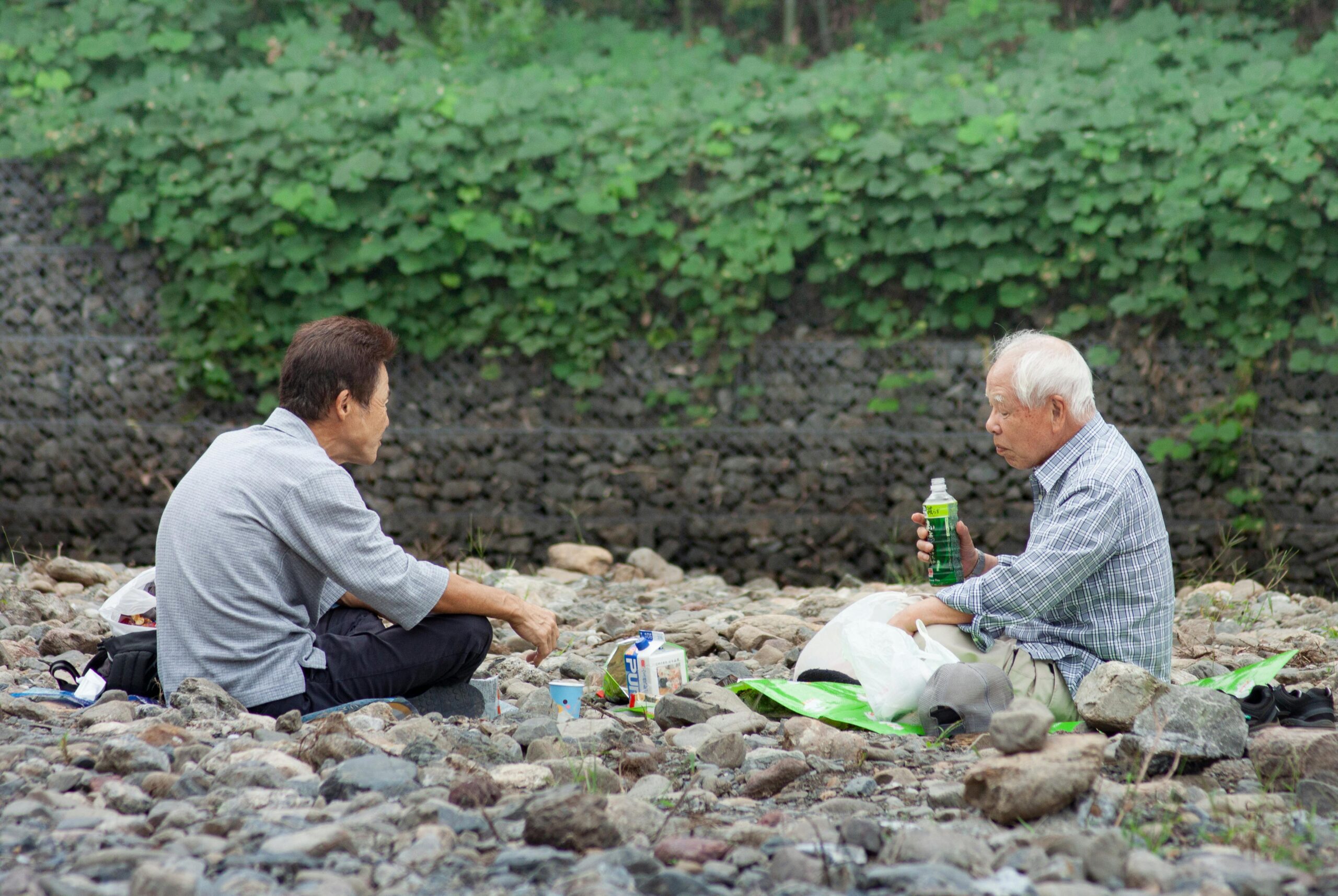
Are you planning a trip to Japan and wondering about the legal age of drinking in Japan? Before you raise your glass for a toast, it’s crucial to understand the rules and regulations surrounding alcohol consumption in this fascinating country. The legal drinking age in Japan is not just a number; it’s a cultural boundary that every visitor and resident should respect to avoid unexpected trouble. So, what exactly is the legal age for drinking in Japan 2024, and what should you know about enjoying alcohol responsibly while exploring the Land of the Rising Sun?
In Japan, the minimum drinking age is strictly set at 20 years old, which might surprise some travelers used to different regulations worldwide. Unlike many countries where 18 or 21 is the norm, Japan’s age restriction for alcohol consumption is firmly enforced by law and social customs alike. This means no beer, sake, or cocktails for anyone under 20 — no exceptions! But why is this age chosen, and how does it impact tourists and locals? Also, did you know that the laws around purchasing alcohol and drinking in public spaces have unique nuances worth knowing?
Whether you’re curious about the penalties for underage drinking in Japan, or want insider tips on where and how to enjoy a legal drink safely, this guide covers it all. From understanding the legal drinking age in Tokyo and other cities, to exploring traditional Japanese drinking culture, we’ll make sure you’re well-prepared before your cheers. Stay tuned to uncover everything you must know about the legal age of drinking in Japan — because a responsible drinker is a happy traveler!
What Is the Legal Age of Drinking in Japan? Essential Facts You Need to Know
What Is the Legal Age of Drinking in Japan? Essential Facts You Need to Know
When talking about drinking laws around the world, Japan often comes up as one interesting place with unique rules. Many people wonder, what is the legal age of drinking in Japan? This question is important especially for travelers, expats, or anyone planning to live or work in Japan. Knowing these facts can prevent legal trouble and make your experience more enjoyable.
What Is the Legal Drinking Age in Japan?
In Japan, the legal age for drinking alcohol is 20 years old. Yes, you heard it right, 20, not 18 or 21 like in some other countries. This means that anyone below 20 years old is not allowed to buy, possess, or consume alcoholic beverages legally. It’s a strict law that is enforced by local authorities and businesses.
Some might confuse it with the legal age for smoking or other activities, but it’s important to note drinking age is exactly 20. This applies to all types of alcohol including beer, wine, sake, and spirits.
Historical Context Behind the Drinking Age
The drinking age in Japan has been set at 20 for a very long time. This number is not arbitrary but tied to the age of majority in Japan. Until recently, 20 was the age when a person was legally considered an adult. Although the age of majority has just been lowered to 18 as of April 2022, the drinking age remained at 20.
Why? Because lawmakers believe that alcohol consumption requires a higher level of maturity and responsibility than other adult activities like voting or marriage. The government wants to protect young adults from the harms of early alcohol use, which can include health problems and social issues.
How Is the Law Enforced?
Enforcement of the legal drinking age in Japan is quite strict in many places, especially in bars, restaurants, and convenience stores. Here’s what usually happens:
- Vendors ask for ID if they suspect a customer looks under 20.
- Penalties for selling alcohol to minors can be severe, including fines or business license revocation.
- Police may conduct spot checks or raids on establishments suspected of serving minors.
However, enforcement can sometimes be inconsistent in rural areas or during festivals where drinking culture is more relaxed. But it’s always safer not to risk it.
What Happens If You Break the Law?
If a minor is caught drinking alcohol, there are legal consequences. While the penalties for the drinker themselves are often less severe, such as warnings or counseling, those who supply alcohol to minors face bigger troubles. For example:
- Fines up to 500,000 yen (about $4,500 USD)
- Revocation of liquor licenses for businesses
- Possible criminal charges in extreme cases
It’s also important to understand that public intoxication laws in Japan are different. While drinking in public places is not strictly illegal, causing disturbances or being drunk and disorderly can lead to police intervention.
Differences Between Japan and Other Countries
To better understand Japan’s drinking laws, let’s compare it to some other countries:
| Country | Legal Drinking Age | Notes |
|---|---|---|
| United States | 21 | Strict enforcement nationwide |
| United Kingdom | 18 | Drinking allowed in some cases younger with adult supervision |
| South Korea | 19 (Korean age) | Counting by Korean traditional age system |
| Australia | 18 | Varies slightly by state |
| Japan | 20 | Age of majority recently lowered, but drinking age remains 20 |
This table shows that Japan’s drinking age is slightly higher than many Western countries, mostly because of cultural and legal traditions.
Practical Tips for Visitors and Residents
If you are planning to visit or move to Japan, here are some tips related to alcohol and drinking laws:
- Always carry a valid ID, especially if you look younger than 20.
- Don’t try to buy alcohol for anyone under 20; it’s illegal and could get you into trouble.
- Be respectful of local customs and avoid excessive drinking in public places.
- Know that some convenience stores and vending machines might require age verification.
- If you’re under 20, it’s better to avoid situations where alcohol is involved, to prevent accidental violations.
Interesting Cultural Aspects of Drinking in Japan
Alcohol plays an important role in Japanese social life. From traditional sake ceremonies to after-work parties called “nomikai,” drinking is often part of bonding and celebration. However, the respect for rules is strong, so young people typically wait until they are legally allowed before joining these traditions.
Many Japanese youths look forward to turning 20 as a rite of passage because it means they can legally enjoy sake and other drinks at social gatherings. The government even celebrates this with “Coming of Age Day” ceremonies every January, where new adults wear traditional clothes and mark their new status.
Summary of Key Points
To recap, here is
How Japan’s Legal Drinking Age Impacts Tourists: Rules and Penalties Explained
How Japan’s Legal Drinking Age Impacts Tourists: Rules and Penalties Explained
Visiting Japan is a dream for many travelers around the world. From its rich culture, stunning landscapes, to delicious cuisine, Japan offers an unforgettable experience. But if you’re planning to enjoy nightlife or indulge in some local drinks, you might wonder about the legal age of drinking in Japan. Unlike other countries, Japan has specific rules and penalties related to alcohol consumption, especially for tourists. Knowing these laws before you raise your glass is very important so you won’t get caught off guard.
Legal Age of Drinking in Japan: What You Must Know Before Cheers
The legal drinking age in Japan is 20 years old. This means anyone under 20 years is prohibited from buying or consuming alcohol in public or private places. This law applies to both Japanese citizens and foreigners alike. So even if you’re from a country where the drinking age is 18 or 21, Japan’s age limit is absolute and strictly enforced.
How the law came about? Japan’s legal drinking age has been 20 since 1876 when the government wanted to control alcohol consumption among youth during modernization efforts. This age was chosen because it marks the age of majority in Japan, meaning a person is considered an adult legally. Though there have been some discussions about lowering the age, no changes have been made recently.
What Tourists Should Know About Drinking Laws in Japan
Many tourists might assume that, as visitors, they have some leeway with drinking regulations, but this is not true. Here are the key points every tourist should be aware of:
- You must be 20 or older to legally purchase or consume alcohol anywhere in Japan.
- Bars, restaurants, and convenience stores will ask for valid ID proving your age, especially if you look under 20.
- It is illegal to provide alcohol to minors, and doing so can result in fines or criminal charges.
- Public intoxication is generally frowned upon and can attract police attention, especially if you cause disturbances.
- Drinking in public places like parks or streets is not illegal everywhere but often considered inappropriate in many areas.
Penalties for Violating Japan’s Drinking Age Laws
Breaking Japan’s drinking laws can lead to serious consequences, even for tourists who might not fully understand the rules. Here are some penalties you might face:
For Minors Drinking or Buying Alcohol:
- Fines up to 500,000 yen (around $4,500 USD).
- Possible detention or questioning by police.
- Confiscation of alcohol.
For Adults Providing Alcohol to Minors:
- Heavy fines.
- Possible criminal charges depending on the situation.
For Public Intoxication or Disorderly Conduct:
- Police may detain or arrest individuals causing disturbances.
- Fines or warnings issued.
It’s important to understand these penalties to avoid ruining your trip or facing legal troubles.
How Does Japan’s Drinking Age Compare to Other Countries?
Here’s a quick comparison to help put Japan’s law in perspective:
| Country | Legal Drinking Age | Notes |
|---|---|---|
| Japan | 20 | Strictly enforced nationwide. |
| United States | 21 | Varies by state, mostly 21. |
| United Kingdom | 18 | Some exceptions for private consumption. |
| Australia | 18 | Strict enforcement in licensed venues. |
| South Korea | 19 | Calculated differently due to Korean age system. |
Japan’s 20-year-old drinking age is quite typical in Asia but differs from some Western countries where 18 or 21 is common. Tourists coming from countries with lower drinking ages often find this surprising and sometimes frustrating.
Practical Tips for Tourists Regarding Alcohol in Japan
If you want to enjoy drinks while in Japan without any legal issues, consider these practical tips:
- Always carry a valid ID such as your passport. Many establishments will check it.
- If you’re under 20, do not try to buy alcohol or drink at parties. It’s not worth risking fines or trouble.
- Respect local customs about drinking in public and avoid loud or disruptive behavior.
- Be aware of vending machines selling alcohol, as they also require age verification.
- When in doubt, ask locals or staff about the rules — most Japanese people are happy to help explain.
Interesting Facts About Alcohol and Age in Japan
- It’s common for Japanese people to celebrate becoming 20 with a special ceremony called “Seijin Shiki,” marking adulthood and legal drinking.
- Despite strict laws, Japan has a thriving alcohol culture including sake, shochu, beer, and whisky.
- Many convenience stores enforce age checks by requesting to see your ID for alcohol or tobacco purchases.
- Some regions have unique festivals where alcohol flows freely, but age restrictions still apply.
Understanding Japan
5 Surprising Cultural Insights About Drinking Age Laws in Japan
Navigating the world of drinking laws can be confusing enough, but when it comes to Japan, there are some surprising cultural and legal nuances that many people outside the country might not expect. If you ever plan to raise a glass in Tokyo, Osaka, or any part of Japan, knowing the legal age of drinking and understanding the cultural context is very important. This article explores 5 surprising cultural insights about drinking age laws in Japan, plus what you must know before cheers.
Legal Age of Drinking in Japan: What You Must Know
In Japan, the legal age to consume alcohol is 20 years old. This law is strictly enforced and applies everywhere in Japan, from bustling city bars to rural shrines hosting festivals. Unlike some countries where the legal drinking age can vary between regions or states, Japan’s law is uniform nationwide. However, the way it is culturally observed and enforced has some unexpected twists.
It’s illegal for anyone under 20 to buy or consume alcoholic beverages. This includes not only beer and sake but also whiskey, wine, and even low-alcohol beverages like chuhai (a popular canned alcoholic drink). Vendors often ask for ID, and it’s quite common for bartenders or shop clerks to refuse service if they suspect someone is underage.
1. The Drinking Age is Tied Closely to Coming of Age Day
In Japan, the legal drinking age ties closely with “Seijin no Hi,” or Coming of Age Day, which celebrates when young people turn 20. This day is a national holiday, usually held on the second Monday of January, and marks the transition into adulthood.
- The age 20 is not random; it has historical roots.
- The age used to be 21 before 1876, but it was lowered.
- The government sees 20 as the official start of adulthood responsibilities and privileges, including voting, smoking, and drinking.
Because Coming of Age Day is so culturally significant, young people often wait until this day to start legally drinking, making it a big social milestone beyond just the law.
2. Drinking Underage is Culturally Taboo, But Not Always Strictly Policed
While the law is clear, culturally there’s an interesting dynamic. Drinking underage in Japan is considered socially unacceptable and disrespectful, especially in formal settings or family gatherings. However, enforcement on the street or in casual settings might not always be strict.
For example:
- Some teenagers might drink secretly during festivals or private parties.
- Parents and elders usually discourage underage drinking but might overlook small sips during family events for symbolic reasons.
- Public campaigns often promote responsible drinking, emphasizing the health and social impact rather than harsh punishments.
This contrasts with some Western countries where underage drinking might be more aggressively policed in public spaces.
3. The Culture of Group Drinking and Peer Pressure
In Japan, drinking is often seen as a social activity that strengthens group bonds, especially among coworkers or friends. This cultural element affects how the drinking age interacts with social expectations.
- Young adults just turning 20 might feel pressure to join in after-hours drinking sessions called “nomikai.”
- Refusing alcohol in these settings can sometimes be seen as antisocial or rude.
- Older generations may encourage younger adults to drink responsibly but also expect them to participate as part of the group.
This group drinking culture means that even legal drinkers might face social pressure to drink more than they want, which is different from more individualistic drinking cultures.
4. Alcohol Sales and Vending Machines: A Unique Challenge
One thing surprising about Japan is the widespread availability of alcohol through vending machines, even in public places. This could seem risky given the legal drinking age, but Japan has systems in place to prevent underage purchases.
- Many vending machines use age verification systems, such as requiring a special ID card.
- Some machines have been upgraded to ask for electronic age verification.
- In practice, though, enforcement can be inconsistent, and sometimes younger people do find ways to buy alcohol.
This blend of convenience and legal control is unique and reflects Japan’s trust-based society but also its modern technological approaches to regulation.
5. Changing Laws and Social Attitudes
There have been talks and discussions about lowering the legal drinking age in Japan or adjusting the age of adulthood itself. For example:
- In 2018, Japan lowered the age of adulthood from 20 to 18 for some rights like voting.
- Still, the drinking age remains at 20.
- Some argue this inconsistency causes confusion among young people about their legal responsibilities and privileges.
Public opinion is mixed, with traditionalists wanting to keep the drinking age at 20 to protect health and social order, while others push for modernization to align with international standards.
Quick Facts Table: Drinking Age in Japan vs. Other Countries
| Country | Legal Drinking Age | Notes |
|---|---|---|
| Japan |
Legal Drinking Age in Japan vs. Other Countries: A Comprehensive Comparison
Legal Drinking Age in Japan vs. Other Countries: A Comprehensive Comparison
When you think about drinking laws around the world, you might assume they are all pretty much the same. But that’s not the case. The legal age of drinking vary widely depending on the country, culture, and often the historical background. Japan, in particular, has specific laws that many foreigners initially find surprising or confusing. In this article, we will explore the legal age of drinking in Japan, how it compares with other countries, and some important things you must know before you raise a glass in the Land of the Rising Sun.
Legal Age of Drinking in Japan: What You Must Know Before Cheers
In Japan, the legal drinking age is strictly 20 years old. This means that anyone under 20 is not permitted to buy, possess, or consume alcoholic beverages. The law is enforced by the Act on Control and Improvement of Amusement Business, which also prohibits selling alcohol to minors. Unlike some countries where parents may allow younger teens to have a sip or two, Japan does not tolerate underage drinking, neither in public nor private settings.
The 20-year minimum age is consistent across the entire country, no matter the prefecture or city. This law applies not only in bars and restaurants but also in retail stores, vending machines (yes, you can buy alcohol from vending machines in Japan, but only if you prove your age), and even at home. While enforcement on private parties might be less strict, legally, it is prohibited, and breaking these laws can lead to fines or other penalties.
Historical Context of Drinking Age Laws in Japan
The current legal drinking age in Japan was established in 1922 during the Taisho era. Before that, drinking age was less regulated, but with modernization and concerns about youth health, the government introduced these restrictions. The age 20 was chosen because it also coincides with the age of majority in Japan – the age at which individuals gain full legal rights and responsibilities.
Interestingly, Japan recently lowered the age of majority from 20 to 18 in 2022 for some legal purposes, but the drinking age has remained 20. This shows the government’s focus on protecting young people from alcohol-related harm despite granting them adult status earlier for other matters like voting or signing contracts.
Comparing Japan’s Drinking Age with Other Countries
The legal drinking age is not universal and varies greatly across the globe. Here’s a quick comparison of Japan’s drinking age to some other countries:
| Country | Legal Drinking Age | Notes |
|---|---|---|
| Japan | 20 | Strict enforcement, no exceptions |
| United States | 21 | Highest drinking age globally, strict penalties |
| United Kingdom | 18 | 16 for beer, wine, cider with a meal in some areas |
| Germany | 16 (beer/wine), 18 (spirits) | Lower age for beer and wine |
| France | 18 | Applies to all alcoholic drinks |
| South Korea | 19 (Korean age) | Equivalent to 18 or 19 internationally |
| Australia | 18 | Uniform drinking age across states |
| India | Varies 18-25 | Different states have different laws |
| Russia | 18 | Recently increased from 16 |
From this list, we see Japan’s drinking age is higher than many European countries but lower than the United States. The strictness of enforcement also differs. For example, in Germany, teenagers may drink beer and wine starting at 16 with parental consent, which contrasts with Japan’s zero tolerance under age 20.
Practical Examples and What Tourists Should Remember
If you are visiting Japan, it is very important to remember that even if you look older, bars and shops will ask for ID if you are suspected to be under 20. The most common forms of ID accepted are:
- Passport
- Japanese driver’s license
- Residence card for foreigners
Without proper ID, you simply won’t be served alcohol. Also, don’t try to buy alcohol for minors or let them drink in your presence. Both actions can result in legal troubles.
Another unique aspect is Japan’s vending machines that sell alcoholic beverages. These machines often have an age verification system called “Taspo,” a special card that proves you are 20 or older. Without a Taspo card, you cannot purchase alcohol from these machines.
Why Does Japan Maintain a Higher Drinking Age?
There are cultural and social reasons why Japan keeps the drinking age at 20. Alcohol consumption is traditionally part of many social rituals and ceremonies, but the government wants to ensure young people are mature enough to handle alcohol responsibly. The age 20 symbolizes adulthood, and drinking is considered a right that comes only with full adult status.
Moreover, Japan faces challenges with alcohol-related health issues and drunk driving accidents, so the law aims to reduce these problems by restricting early access.
Can You Drink Alcohol Legally at 18 in Japan? Debunking Common Myths
Can You Drink Alcohol Legally at 18 in Japan? Debunking Common Myths, Legal Age Of Drinking In Japan: What You Must Know Before Cheers, legal age of drinking in japan
Many people wonder if they can drink alcohol legally at 18 in Japan. This question comes up a lot especially for travelers, students, and those curious about Japanese culture. The legal age of drinking in Japan is often misunderstood, and there are several myths and rumors floating around that can confuse anyone. So, what is the actual law? Can you really enjoy a beer or sake legally once you turn 18? Let’s dive deep and clear out the fog surrounding this topic.
The Legal Drinking Age in Japan: The Facts
Contrary to some beliefs, the legal age of drinking in Japan is not 18 but actually 20 years old. This law is strictly enforced across the country and it does not matter if you are a Japanese citizen or a foreigner temporarily staying in Japan. According to the Japanese law, it is illegal to sell or provide alcoholic beverages to anyone under the age of 20. This means that even if you are 19 or 18, you cannot legally consume alcohol in public or private settings.
The law is part of the “Act on Prohibition of Minors Drinking Alcohol,” which aims to protect young people from the harms of alcohol consumption. The law is quite old, dating back to the Meiji period, and it still holds strong today.
Common Myths About Drinking Age in Japan
There are many myths about the drinking age in Japan. Some might hear from other travelers or friends that since the age of adulthood in Japan changed from 20 to 18 recently, you can now drink at 18. This is false. The age of adulthood was lowered in 2022 from 20 to 18, but this change did NOT affect the legal drinking age. The drinking age remains 20.
Other myths include:
You can drink alcohol at 18 in Japan if you are in a bar or restaurant. This is incorrect because the establishment must check your ID and refuse service if you are under 20.
Foreign tourists are allowed to drink at 18 since they come from countries with lower drinking ages. The law applies equally to everyone in Japan regardless of nationality.
Drinking alcohol in private homes is allowed at 18 years old. This is a gray area, but generally the law prohibits anyone under 20 from consuming alcohol, even in private settings.
Historical Context: Why 20?
Why did Japan choose 20 as the legal drinking age and not 18 like many other countries? The age of 20 has traditionally been considered the age of majority in Japan. Until recently, 20 was the age when one was legally considered an adult, allowed to vote, smoke, and drink alcohol.
The age of majority was lowered to 18 on April 1, 2022, but the government decided to keep the drinking age at 20 to protect young people from the potential risks of early alcohol consumption. In Japanese culture, this age is symbolic and connected to the coming-of-age ceremony called “Seijin no Hi,” celebrated annually on the second Monday of January, where people turning 20 mark their transition into adulthood.
Legal Consequences of Underage Drinking in Japan
If you are caught drinking alcohol under the age of 20 in Japan, there could be some serious legal consequences. While the punishment for the underage drinker themselves is often light, establishments and individuals who provide alcohol to minors could face fines or other penalties.
- Providing alcohol to minors: Up to 500,000 yen fine or imprisonment for up to 1 year.
- Minors caught drinking: May be subjected to warnings or parental notification, but rarely criminal charges.
- Bars and restaurants: Must check ID; failure results in fines or losing their license.
This strict enforcement helps reduce underage drinking and keeps public safety a priority.
Comparison with Other Countries
It’s interesting to see how Japan’s drinking age compares with other countries around the world:
| Country | Legal Drinking Age |
|---|---|
| Japan | 20 |
| United States | 21 |
| United Kingdom | 18 |
| Australia | 18 |
| South Korea | 19 (Korean age system 20) |
| Canada | 18 or 19 (varies by province) |
| Germany | 16 (beer and wine), 18 (spirits) |
As you can see, Japan’s drinking age is higher than many countries in Asia and Europe but slightly lower than the United States.
Practical Tips for Visitors and Residents
If you are planning to visit or live in Japan, here are some practical things you should keep in mind about drinking alcohol:
- Always carry your identification with you when going to bars or purchasing alcohol.
- Do not attempt to buy alcohol if you are under
Understanding Japan’s Drinking Age Laws: What Locals and Visitors Must Follow
Understanding Japan’s Drinking Age Laws: What Locals and Visitors Must Follow
When you think about traveling to Japan or maybe living there, one of the things you probably wonder is about drinking laws. Japan’s drinking culture is well-known worldwide, with its izakayas, sake bars, and lively festivals. But what is the legal age of drinking in Japan? And what should both locals and visitors be aware of before you cheers? This article will explore the key points about Japan’s drinking age laws, historical background, and practical implications. It may surprise you how the rules differ from other countries, and how strict or loose they can be.
Legal Age of Drinking in Japan: The Basics
In Japan, the legal age for drinking alcohol is 20 years old. This rule applies to everyone, whether you’re a Japanese citizen, a foreign resident, or just visiting the country. The law is very clear: no one under 20 is allowed to consume alcoholic beverages in public or private settings. This age limit is set by the Act on Control and Improvement of Amusement Business and other related regulations.
Some important things to remember:
- The drinking age is 20 years old, no exceptions allowed.
- Selling alcohol to anyone under 20 is illegal and punishable.
- Drinking in public places, like parks or streets, is generally tolerated but still regulated.
- Establishments like bars and restaurants usually check IDs strictly.
This sets Japan apart from countries like the United States, where the drinking age is 21, or in many European nations where it can be 16 or 18.
Historical Context: Why 20 and Not 18 or 21?
The age of 20 in Japan is not just for drinking but also marks the age of majority — when someone is legally considered an adult. Historically, this age was fixed during the Meiji era in the late 19th century. The government decided that 20 years was the age when a person is mature enough to take on adult responsibilities, including voting, marriage without parental consent, and drinking alcohol.
The law was consistent for a long time, but recently Japan lowered the age of majority from 20 to 18 in 2022. However, the drinking age remains 20. This means young adults in Japan can now vote and sign contracts at 18 but still cannot buy or consume alcohol legally until 20. This distinction may confuse some foreigners or even Japanese youth themselves.
How Japan’s Drinking Age Law Compares Globally
Let’s take a look at some comparisions between Japan and other countries in terms of legal drinking age:
| Country | Legal Drinking Age | Notes |
|---|---|---|
| Japan | 20 | Age of majority was lowered to 18, but drinking age still 20. |
| United States | 21 | Highest drinking age worldwide, strict enforcement. |
| United Kingdom | 18 | 16 for beer, wine, cider with a meal in some cases. |
| Germany | 16 for beer & wine, 18 for spirits | Early drinking age in Europe. |
| Australia | 18 | Strict penalties for underage drinking. |
| South Korea | 19 | Drinking age based on Korean age system, roughly 18-19 internationally. |
As you can see, Japan stands somewhat in the middle range, but its drinking age is tied to cultural and legal traditions rather than international standards.
What Should Visitors Know Before Ordering a Drink?
Many tourists might not be aware that Japan’s bars and restaurants usually ask for identification if you look young. Here are some practical tips for visitors:
- Always carry a valid passport or ID with you.
- Do not attempt to buy alcohol if you’re under 20.
- Be aware that convenience stores and vending machines also sell alcohol, but they will refuse sales if you appear underage.
- Drinking in public places is generally allowed but don’t be too noisy or disruptive.
- Some places have “nomihoudai” (all-you-can-drink) offers, but they still check IDs carefully.
If you’re caught drinking underage or providing alcohol to minors, legal consequences can include fines or other penalties.
Enforcement and Penalties
Japan’s enforcement of drinking age laws tends to focus more on sellers rather than the drinkers themselves. Establishments that fail to verify age and sell alcohol to minors can face fines or lose licenses. However, if minors are caught drinking, they might be subject to warnings or counseling rather than heavy punishments.
Key points about enforcement:
- Sellers must check ID before selling alcohol.
- Underage drinking in public is discouraged but not always heavily policed.
- Parents or guardians can be held responsible if they provide alcohol to minors.
- Repeat offenses by businesses can lead to serious legal trouble.
Cultural Attitudes Toward Drinking Age
In Japan, drinking is often linked with socializing and business culture. Many people start drinking shortly after turning 20, celebrating
How Strict Is Japan About the Legal Drinking Age? Enforcement and Fines Revealed
How Strict Is Japan About the Legal Drinking Age? Enforcement and Fines Revealed
When you think about Japan, many things comes to mind: sushi, cherry blossoms, advanced technology, and yes, unique cultural rules. One of the most common questions people ask is about the legal age of drinking in Japan. How strict is Japan about this law? What happens if someone breaks it? This article will explore the legal drinking age in Japan, enforcement practices, fines, and other important things you must know before cheers.
Legal Age of Drinking in Japan: What Is the Law?
In Japan, the legal age for drinking alcohol is 20 years old. This age limit has been in place for many decades and is enforced across the entire country, no matter where you are—from big cities like Tokyo and Osaka to the rural countryside. The law is clear and straightforward: anyone under 20 cannot legally buy or consume alcoholic beverages.
Interestingly, the age 20 is also the age of majority in Japan, meaning you become legally an adult at 20, which includes other rights like voting and smoking. This differs from many countries, such as the United States, where the legal drinking age is 21 but the age of majority is 18.
Historical Context of Drinking Age in Japan
Historically, Japan’s drinking laws have been closely tied to its cultural and social norms. During the Edo period (1603-1868), alcohol was widely consumed among adults, but there was an informal understanding that minors should not drink. The current legal drinking age of 20 was solidified post-World War II, as Japan adapted many of its laws to align with modern standards.
The government’s focus has been on protecting youth from the negative effects of alcohol, which includes preventing underage drinking to reduce accidents, health issues, and social problems. So, it is not just a random number but a well-thought-out legal standard.
Enforcement: How Strict Is Japan About Underage Drinking?
Japan is quite strict when it comes to enforcing the drinking age, but enforcement can sometimes feel different from what foreigners expect. Shops and restaurants usually check IDs, especially if the customer looks young. Convenience stores, supermarkets, and bars are required by law to refuse alcohol sales to anyone under 20.
However, enforcement is sometimes inconsistent. For example:
- Some establishments may not check ID rigorously if the customer appears obviously older.
- In rural areas, enforcement might be more relaxed compared to big metropolitan cities.
- Police do conduct occasional checks, especially during festivals or public events where underage drinking might be more common.
Yet, it’s important to understand that breaking the law can lead to consequences. The government wants to deter underage drinking, so penalties exist for both buyers and sellers.
Penalties and Fines for Underage Drinking in Japan
If a person under 20 is caught drinking alcohol, the legal consequences can be serious. Here’s what you can expect:
- The underage drinker can be fined or required to attend counseling or educational programs.
- Vendors who sell alcohol to minors face heavy fines, which can be up to 1 million yen (about $9,000 USD).
- Businesses risk losing their license to sell alcohol if they repeatedly violate the law.
- In some cases, local police might issue warnings or involve parents or guardians.
This strict approach sends a clear message that selling or providing alcohol to minors is not tolerated. The law aims to protect young people and maintain public order.
Comparison With Other Countries
To put Japan’s drinking age into perspective, here’s a quick comparison table:
| Country | Legal Drinking Age | Enforcement Strictness | Cultural Notes |
|---|---|---|---|
| Japan | 20 | Strict, fines for sellers | Age of majority is 20 |
| United States | 21 | Very strict, heavy fines | Federal law with state variations |
| United Kingdom | 18 | Moderate, varies by region | Social drinking more common |
| South Korea | 19 | Strict, cultural acceptance | Drinking at younger ages common sometimes |
| Australia | 18 | Strict, ID checks common | Penalties for underage drinking |
This shows Japan is among the countries with a higher legal drinking age and strict enforcement, especially on sellers.
Practical Tips for Tourists and Residents
If you are planning a trip to Japan or moving there, you should keep these points in mind:
- Always carry a valid ID if you plan to drink alcohol. Japanese IDs, passports, or driver’s licenses are commonly accepted.
- Don’t try to buy alcohol for someone under 20; it is illegal and punishable.
- Be aware that in some places, especially clubs or bars, they may request ID more strictly.
- If you’re under 20, avoid drinking alcohol in public places or at events, as it can
Top 7 Tips for Enjoying Alcohol in Japan While Staying Within the Legal Age Limit
Enjoying a drink in Japan is part of many travelers’ experience, but it’s important to knowing the legal limits before you cheers. Japan has a unique culture around alcohol, which can be both fun and confusing if you don’t understand the laws. The legal age of drinking in Japan is something every visitor must be aware of, especially if you want to avoid any trouble with local authorities. This article will guide you through the top 7 tips for enjoying alcohol in Japan while staying within the legal age limit, and explain what you must know before raising your glass.
Legal Age Of Drinking In Japan: What You Must Know Before Cheers
In Japan, the legal age to consume alcohol is 20 years old. This is different from many countries where the legal drinking age is often 18 or 21. The law is strict, and it is illegal for anyone under 20 to buy or drink alcohol, or even to be served alcohol in a bar or restaurant. The Japanese government enforces this law seriously, and you could face fines or penalties if caught breaking it.
Historically, the age of majority in Japan was 20, which also made it the age for drinking, voting, and other adult activities. Although the age of majority recently lowered to 18 for some purposes, the legal drinking age remains 20. This means even if you are considered an adult at 18, you cannot legally drink until you are 20 years old.
Top 7 Tips for Enjoying Alcohol in Japan While Staying Within the Legal Age Limit
Always Carry a Valid ID
In Japan, bartenders and shopkeepers often ask for ID to verify your age. A passport is the most accepted form of identification for foreigners. Without ID, you might be refused service, even if you look old enough. So never forget to bring your passport or a government-issued ID when you plan to drink.Know Where You Can Buy Alcohol
Alcohol in Japan is sold not only in bars and restaurants but also in convenience stores, supermarkets, and vending machines. However, most vendors will check your age before selling. Some vending machines require an age verification card called a “TASPO” to buy cigarettes or alcohol, so it’s good to be aware of these rules.Do Not Drink and Drive
Japan has zero tolerance for drinking and driving. The blood alcohol limit is extremely low, effectively meaning you should not drink at all if you plan to drive. Penalties can include heavy fines, license suspension, and even jail time. Public transportation is excellent in Japan, so it’s better to use trains or taxis after drinking.Respect Drinking Culture and Etiquette
Drinking in Japan is often social and accompanied by rituals like pouring drinks for others and saying “Kanpai!” (cheers). It is considered rude to pour your own drink. Knowing these customs enhances your experience and shows respect for local traditions.Avoid Drinking in Prohibited Places
Drinking in public places like parks or streets is often frowned upon or prohibited in many cities in Japan. Make sure to consume alcohol in designated areas such as bars, restaurants, or private homes, to avoid fines or warnings from police.Be Careful with Group Drinking Sessions
Nomikai (drinking parties) are common in work and social life in Japan. Pressure to drink heavily can be strong, but remember you can refuse politely. Being under the legal drinking age means you should not participate at all, even if encouraged by friends or colleagues.Understand the Consequences of Underage Drinking
Underage drinking is illegal and can result in serious consequences including fines and possible detention. Japanese law also prohibits adults from providing alcohol to minors. So if you are under 20 or with someone underage, avoid any situation where alcohol is involved.
Comparison Table: Legal Drinking Ages Around the World vs. Japan
| Country | Legal Drinking Age | Notes |
|---|---|---|
| Japan | 20 | Strict enforcement, ID required |
| United States | 21 | Strict with penalties |
| United Kingdom | 18 | Drinking in private allowed under 18 |
| Germany | 16 (beer/wine), 18 (spirits) | More lenient for some alcohol types |
| Australia | 18 | Strict enforcement |
| South Korea | 19 | Similar strict ID checks |
As seen above, Japan’s drinking age is somewhat higher than many countries, and the rules are enforced quite strictly. Knowing this helps visitors to plan accordingly.
Practical Examples of Staying Within the Law
- If you are 19 years old and traveling in Japan, do not buy or consume alcohol anywhere. Even if your friends encourage you, saying you are “almost 20” is no excuse.
What Happens if You Break the Legal Drinking Age Law in Japan? Legal Consequences Explained
What Happens if You Break the Legal Drinking Age Law in Japan? Legal Consequences Explained
Traveling to Japan or living there? You probably wonder, what’s the legal age of drinking in Japan? And what happens if you break the legal drinking age law? It’s not just about having fun with sake or beer, but knowing the rules can keep you out of trouble. Japan’s drinking laws might seem strict or different from other countries, so this article will break down everything you should know before you cheers in the Land of the Rising Sun.
Legal Age of Drinking in Japan: What You Must Know Before Cheers
In Japan, the legal drinking age is 20 years old. This means anyone under that age is not legally allowed to buy, possess, or consume alcoholic beverages. The law applies strictly and it’s often enforced in stores, bars, and restaurants. Unlike some countries where the age might be 18 or 21, Japan’s age limit stands at 20, which is also the age for voting and smoking.
Some people might think that if you look older, you could get away with buying alcohol. But Japanese retailers usually ask for ID if they suspect you’re underage, and many places have strict policies against selling to minors. It’s not just frowned upon, it’s illegal, and penalties can be severe for both the buyer and seller.
Historical Context of Japan’s Drinking Laws
The legal drinking age in Japan has been 20 for several decades. This age limit is tied to the traditional age of adulthood in Japan, which was historically recognized at 20 years old. However, recent changes have lowered the age of majority to 18, but the drinking age remained at 20. This shows how alcohol consumption is treated carefully in Japanese society.
The government enforces these laws to promote public health and reduce alcohol-related harms, especially among young people. Japan’s strict approach contrasts with some Western countries where the drinking age varies and enforcement can be more lenient.
What Are the Legal Consequences If You Break the Drinking Age Law in Japan?
Breaking the legal drinking age law in Japan is not a small matter. If a minor is caught drinking, or buying alcohol, several consequences can happen:
- Fines: Minors caught with alcohol can be fined by the police. The amount varies but can be substantial.
- Confiscation: Any alcohol in possession of a minor will be confiscated immediately.
- Police Record: In some cases, the minor may get a police record, which might affect future legal or immigration status.
- Parental Notification: Authorities sometimes inform parents or guardians if a minor is caught violating the law.
- Establishment Penalties: Businesses caught selling alcohol to minors can face heavy fines, loss of license, or even closure.
Unlike some countries where underage drinking might just lead to a warning, Japan takes it seriously. This strictness extends to public drunkenness by minors or causing disturbances while intoxicated.
Practical Examples of Enforcement
Imagine a 19-year-old foreigner trying to buy beer in a convenience store in Tokyo. The cashier asks for ID and the person cannot provide it. The sale will be denied immediately. If the minor is found drinking in a public park or bar, police can intervene and issue penalties.
In some cases, bars and clubs in Japan are very strict about checking IDs, especially in busy nightlife districts like Shinjuku or Roppongi. They might use electronic scanners or ask for passports from foreigners. This prevents underage drinking and keeps the establishment compliant with the law.
Comparison Table: Legal Drinking Age in Different Countries
| Country | Legal Drinking Age | Notes |
|---|---|---|
| Japan | 20 | Also legal smoking age, strict enforcement |
| United States | 21 | Strict enforcement, varies by state |
| United Kingdom | 18 | Some exceptions for drinking with meals |
| Australia | 18 | Legal for purchase and consumption |
| South Korea | 19 | Strict ID checks and penalties |
This shows Japan’s drinking age is one of the higher ones globally, reinforcing its cultural and legal stance on alcohol.
Tips for Tourists and Residents in Japan
- Always carry your ID: If you look young, you might be asked to prove your age.
- Respect the law: Don’t try to buy alcohol for minors or drink underage yourself.
- Understand local customs: Drinking in public places like parks is sometimes frowned upon even if you are of age.
- Know the consequences: Breaking the law can lead to fines, and getting caught might impact your stay in Japan.
- Be mindful at social events: Sometimes, peer pressure exists but it’s important to stick to the legal rules.
Summary of Key Points About Japan’s Legal Drinking Age
- The legal drinking age is 20 years old.
- Selling or providing alcohol to minors is illegal and penalized.
Legal Age for Drinking in Japan 2024: Latest Updates and What Travelers Should Know
Legal Age for Drinking in Japan 2024: Latest Updates and What Travelers Should Know
When you think about visiting Japan, many things comes to mind—beautiful cherry blossoms, bustling cities, and yes, trying local drinks. But before you raise a glass, you must know the legal age for drinking in Japan in 2024. The rules around alcohol consumption are quite strict, and ignoring them could lands you in trouble with the law, especially if you’re a traveler unfamiliar with local customs. This article will explore the current legal age, its background, and what you should definitely keep in mind before cheers in Japan.
What is the Legal Drinking Age in Japan in 2024?
As of 2024, the legal age for drinking in Japan remains 20 years old. This law has not changed recently, despite some discussions around lowering the age. The age 20 is set by the Act on Securing, Etc. of Healthy Development of Youths, which regulates not just alcohol but tobacco use and other activities considered harmful for younger people.
In simple terms: anyone younger than 20 cannot legally purchase, drink, or possess alcoholic beverages in public or private places. This applies to Japanese citizens and foreign visitors alike. Bars, restaurants, and stores strictly enforce the age limit, often requiring valid identification.
Historical Context and Why 20 is the Age
Japan’s legal drinking age of 20 dates back many decades and reflects cultural and social attitudes towards adulthood. In Japan, 20 years old is traditionally recognized as the coming-of-age milestone, celebrated annually on “Coming of Age Day” or Seijin no Hi. This day marks when youths are legally considered adults with full rights and responsibilities—including the right to drink alcohol.
Unlike many countries where 18 is the common threshold, Japan sticks to 20 to emphasize maturity and responsibility. The government and public health experts often argue that this age helps protect young people from the negative effects of early drinking, such as addiction, accidents, and social problems.
What Travelers Should Know Before You Drink in Japan
If you planning a trip to Japan and want to enjoy some sake or beer, here are few critical points to remember:
- Always carry a valid ID. Passport is the best form of identification for foreigners. Without it, you might not be served alcohol in restaurants or bars.
- Some places might be more lenient, but most establishments are very strict about checking IDs to avoid fines or penalties.
- Public drinking is generally allowed in Japan, unlike in many other countries. You can drink alcohol in parks, streets, and other public spaces, but you still must be of legal age.
- Buying alcohol for someone under 20 is illegal and could result in serious trouble for both parties.
- Fake IDs are not tolerated and can cause legal problems, including arrest.
- Be aware that “non-alcoholic” drinks sometimes contain trace amounts of alcohol, so check labels if you avoiding alcohol completely.
Comparison: Legal Drinking Age in Japan vs Other Countries
It’s interesting to see how Japan’s legal drinking age compares with other places around the world:
| Country | Legal Drinking Age | Notes |
|---|---|---|
| Japan | 20 | Strict enforcement, cultural significance |
| United States | 21 | Highest legal drinking age globally |
| United Kingdom | 18 | Varies slightly by region |
| South Korea | 19 | Counting age system traditionally used |
| Australia | 18 | Enforced in bars and liquor stores |
This table shows that Japan’s legal drinking age is higher than many countries but lower than the United States, which is at 21. For travelers coming from places where 18 is the norm, this difference can be surprising.
Practical Examples of How the Law is Enforced
Imagine you are 19 years old, traveling in Tokyo, and you want to try some local beers. You enter a bar and order a drink. The bartender will usually ask for your ID. If you show a foreign driver’s license or passport proving you are under 20, they won’t serve you alcohol. This isn’t just a rule but a legal requirement for the business.
Another example: vending machines that sell alcohol are common in Japan, but they have a built-in age verification system called the “Age Verification IC Card.” You must register your age on this card before you can buy alcohol from these machines. This shows how seriously Japan takes underage drinking prevention.
What Happens if Someone Under 20 is Caught Drinking?
The consequences for underage drinking or providing alcohol to minors in Japan can be strict. While penalties vary, they can include fines, warnings, and in some cases, arrest. For foreigners, this could mean legal trouble, deportation, or being banned from reentering the country.
Japanese law enforcement tends to focus more on education and prevention, but repeated offenses or
Conclusion
In conclusion, understanding the legal drinking age in Japan is essential for both residents and visitors to ensure compliance with local laws and promote responsible alcohol consumption. As discussed, the legal age for drinking in Japan is 20 years old, reflecting the country’s cultural and social standards surrounding adulthood and maturity. It’s important to recognize that this regulation is strictly enforced, with penalties for both underage drinkers and those who provide alcohol to minors. Additionally, awareness of Japan’s drinking customs and etiquette can enhance the overall experience while respecting local traditions. Whether you are enjoying sake at a traditional izakaya or attending a social gathering, adhering to the legal drinking age helps maintain public safety and personal well-being. Ultimately, responsible drinking contributes to a positive and respectful atmosphere for everyone. If you plan to visit or live in Japan, make sure to stay informed about these regulations and enjoy alcohol responsibly.