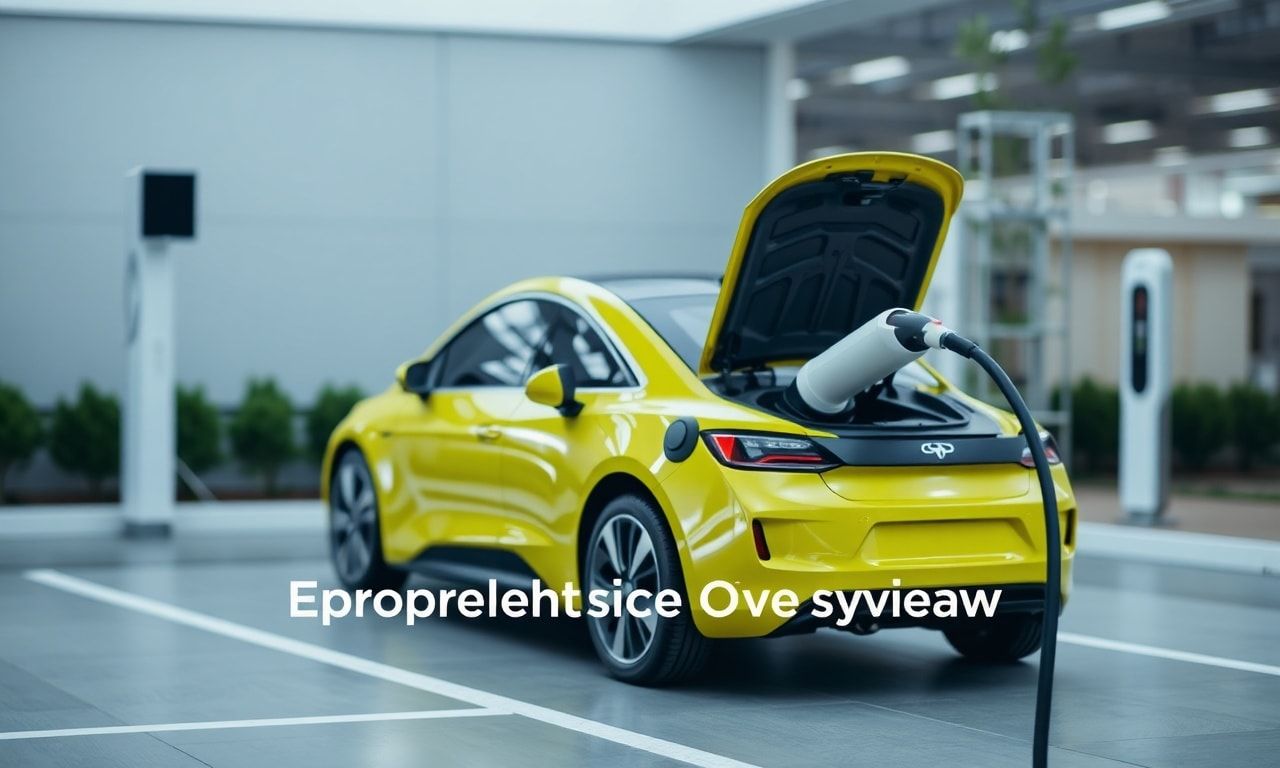
The Rise of Electric Vehicles and Legal Considerations
The global shift towards electric vehicles (EVs) is not just a technological revolution but also a legal one. As governments worldwide implement stricter emissions regulations and consumers increasingly opt for sustainable transportation, the legal landscape surrounding EVs is evolving rapidly. This article explores the key legal implications of electric vehicle adoption, from regulatory frameworks to consumer rights and safety standards.
Regulatory Frameworks and Government Incentives
One of the primary drivers of EV adoption is the regulatory framework established by governments. Many countries have set ambitious targets to phase out internal combustion engine (ICE) vehicles in favor of electric ones. For instance, the European Union has proposed that by 2035, all new cars sold must be emission-free. These regulations are accompanied by various incentives, such as tax credits, subsidies, and reduced registration fees, aimed at making EVs more affordable and attractive to consumers.
In the United States, the federal government offers tax credits of up to $7,500 for the purchase of new EVs, while some states provide additional incentives. These measures not only encourage consumers to switch to electric vehicles but also stimulate the growth of the EV market, creating new legal and economic opportunities.
Consumer Rights and Protections
As the market for electric vehicles expands, so do the concerns related to consumer rights and protections. Consumers have the right to expect that their EVs meet certain safety and performance standards. However, the rapid pace of technological advancements in the EV industry can sometimes outpace regulatory oversight, leading to potential gaps in consumer protection.
For example, issues related to battery life, charging infrastructure, and software updates can significantly impact the user experience. It is crucial for consumers to be aware of their rights and the legal recourses available to them in case of defects or malfunctions. Websites like elektrikli araba kullanıcı deneyimleri güncel incelemesi provide valuable insights into user experiences and can help consumers make informed decisions.
Safety Standards and Liability Issues
The safety of electric vehicles is a critical legal consideration. EVs must comply with stringent safety standards to ensure the protection of both drivers and passengers. These standards cover various aspects, including battery safety, crashworthiness, and the integrity of the electrical systems. Manufacturers are legally responsible for ensuring that their EVs meet these standards and for addressing any safety concerns that arise.
In the event of an accident involving an EV, liability issues can become complex. Determining whether the accident was caused by a defect in the vehicle, human error, or external factors requires thorough investigation. Legal professionals specializing in personal injury and product liability law play a crucial role in helping victims navigate these complexities and seek appropriate compensation.
Charging Infrastructure and Legal Challenges
The development of a robust charging infrastructure is essential for the widespread adoption of electric vehicles. However, the deployment of charging stations involves various legal challenges, including zoning regulations, permitting processes, and utility regulations. Local governments must create favorable policies to encourage the installation of charging infrastructure, while utility companies need to adapt their grids to accommodate the increased demand for electricity.
Additionally, the legal framework surrounding the operation and maintenance of charging stations must be clearly defined. Issues such as liability for charging-related accidents, access to charging stations, and the regulation of charging fees are all important considerations. Collaboration between policymakers, industry stakeholders, and legal experts is crucial to address these challenges and ensure the smooth deployment of charging infrastructure.
Environmental Regulations and Compliance
Electric vehicles are often promoted as a more environmentally friendly alternative to traditional gasoline-powered cars. However, the environmental impact of EVs extends beyond tailpipe emissions. The production, use, and disposal of EV batteries raise important legal and environmental questions. Manufacturers must comply with regulations related to the extraction and processing of raw materials, as well as the recycling and disposal of batteries at the end of their life cycle.
Governments are increasingly implementing regulations to ensure the sustainable production and disposal of EV batteries. For example, the European Union’s Battery Directive aims to improve the environmental performance of batteries and accumulators throughout their life cycle. Compliance with these regulations is not only a legal requirement but also a critical step towards achieving the environmental benefits associated with EV adoption.