The Rise of Solar Energy and Legal Implications
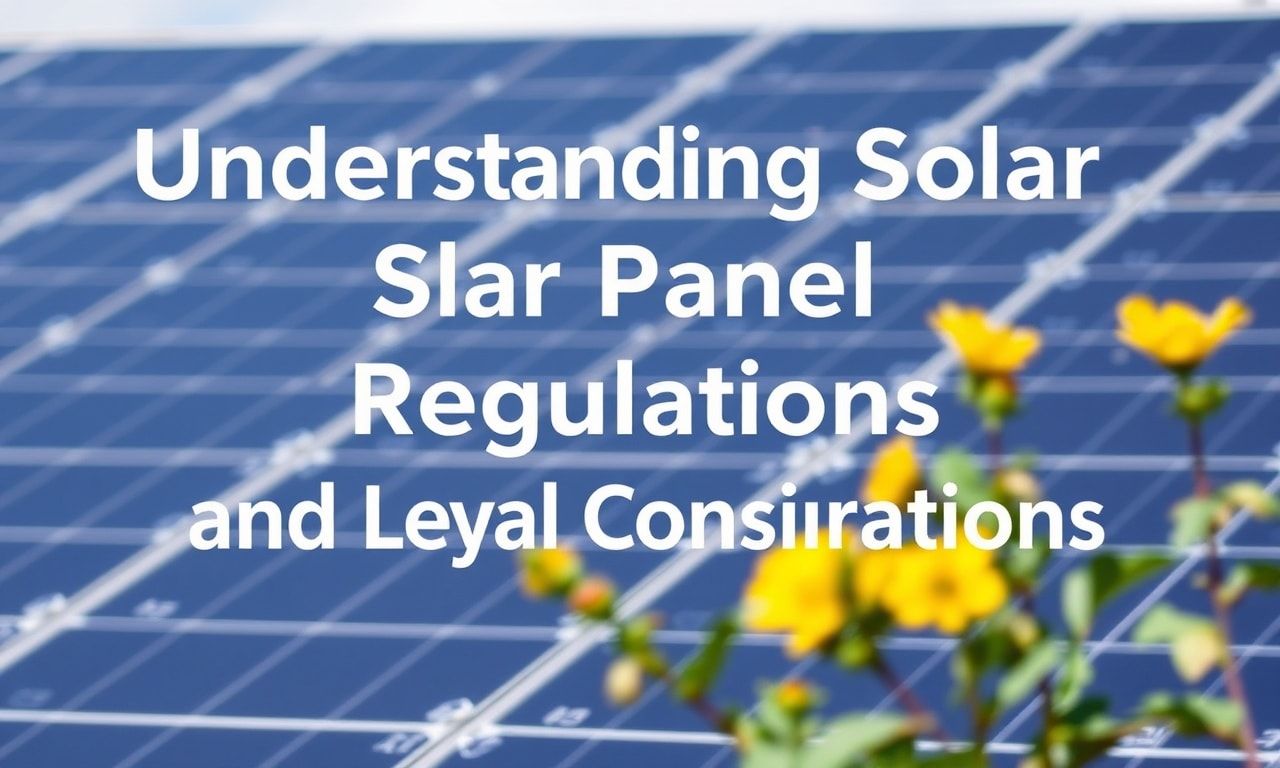
The solar energy industry has experienced exponential growth over the past decade, driven by advancements in technology and a global push towards sustainable energy sources. As more homeowners and businesses invest in solar panels, it is crucial to understand the legal landscape surrounding their installation, maintenance, and repair. This article explores the key legal considerations and regulations that govern solar energy systems, ensuring that you are well-informed and compliant with the law.
Regulatory Framework for Solar Panel Installation
The installation of solar panels is subject to a variety of regulations that vary by jurisdiction. These regulations are designed to ensure safety, efficiency, and compliance with local building codes. Key aspects include:
- Permitting: Most localities require permits for the installation of solar panels. These permits ensure that the installation meets safety standards and building codes. Failure to obtain the necessary permits can result in fines and legal complications.
- Zoning Laws: Zoning laws may impact where and how solar panels can be installed. Some areas have restrictions on the size, placement, and aesthetic impact of solar panels. It is essential to consult local zoning laws before proceeding with installation.
- Electrical Codes: Solar panel systems must comply with electrical codes to ensure safe and efficient operation. These codes are typically enforced by local authorities and require regular inspections.
Importance of Professional Installation
Given the complexity of solar panel systems, it is advisable to hire a professional installer who is familiar with local regulations and best practices. Professional installers can navigate the permitting process, ensure compliance with zoning laws, and guarantee that the system meets all electrical codes. Additionally, professional installation often comes with warranties and guarantees, providing peace of mind for homeowners and businesses.
Maintenance and Repair: Legal and Practical Considerations
Once solar panels are installed, ongoing maintenance and repair are essential to ensure optimal performance and longevity. Regular maintenance can prevent minor issues from escalating into significant problems, which can be costly and legally complex. For instance, if a solar panel system malfunctions and causes damage to property or injury to individuals, the owner may be held liable. Therefore, it is crucial to adhere to maintenance schedules and address any issues promptly.
When it comes to güneş paneli bakımı ve onarımı, it is important to engage qualified professionals who have the expertise to handle repairs safely and effectively. DIY repairs can void warranties, lead to further damage, and potentially result in legal liabilities. Professional maintenance and repair services can provide the necessary expertise to keep solar panel systems in optimal condition.
Warranties and Legal Protections
Most solar panel systems come with warranties that cover defects in materials and workmanship. These warranties typically range from 10 to 25 years, depending on the manufacturer and installer. It is essential to understand the terms and conditions of these warranties, as they can provide legal protections in case of system failures or malfunctions. Homeowners and businesses should keep detailed records of maintenance and repairs to support warranty claims if necessary.
In addition to manufacturer warranties, some jurisdictions offer legal protections for solar panel owners. These protections may include incentives for renewable energy use, tax credits, and rebates. It is advisable to consult with a legal professional to understand the specific protections and incentives available in your area.
Liability and Insurance Considerations
Solar panel systems can present liability risks, particularly if they are not properly maintained or installed. For example, if a solar panel falls and causes damage to a neighbor’s property, the owner may be held liable for the resulting damages. To mitigate these risks, it is essential to have adequate insurance coverage. Homeowners’ insurance policies may cover solar panel systems, but it is important to review the policy terms to ensure that all potential risks are covered.
In some cases, specialized insurance policies may be required to cover solar panel systems. These policies can provide additional protection against liability claims, property damage, and business interruption. Consulting with an insurance professional can help you determine the appropriate coverage for your solar panel system.
Conclusion
The legal landscape surrounding solar panel installation, maintenance, and repair is complex and multifaceted. Understanding the regulatory framework, engaging professional services, and ensuring adequate insurance coverage are essential steps to ensure compliance and mitigate risks. By staying informed and proactive, homeowners and businesses can enjoy the benefits of solar energy while minimizing legal and financial liabilities.
To better understand the intersection of health and legal rights, consider exploring energy balance in daily life and its implications on well-being.
To better understand your rights and responsibilities, consider exploring dog bite legal regulations in our comprehensive guide.
As sustainability regulations evolve, cities like Las Vegas are setting precedents; explore Las Vegas’ solar energy initiative and its implications for future legal frameworks.