Introduction to Legal Aspects of Weather Disasters
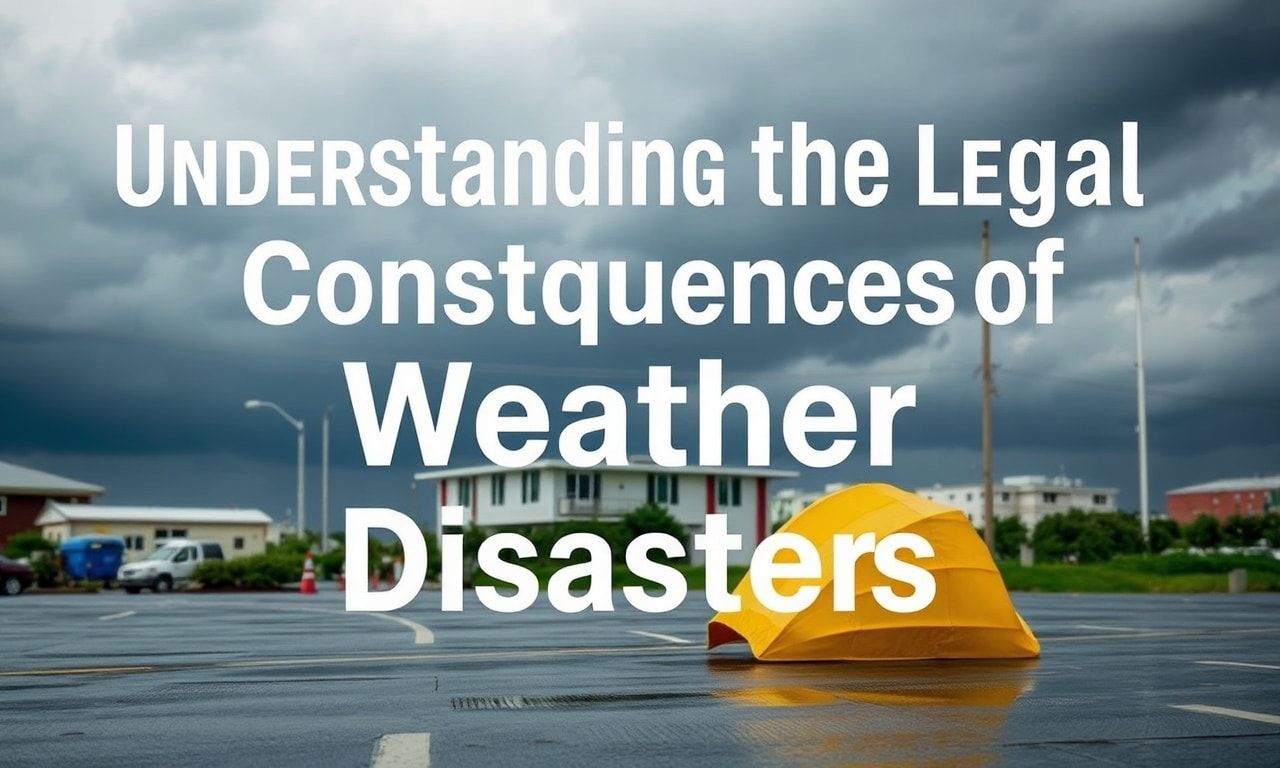
Weather-related disasters, from hurricanes to blizzards, can have profound legal implications. Understanding these implications is crucial for individuals, businesses, and governments to navigate the aftermath effectively. This article explores various legal aspects, including liability, insurance, and regulatory measures, that come into play during and after weather-related events.
The Role of Forecasting and Preparedness
Accurate weather forecasting plays a pivotal role in disaster preparedness. By staying informed about potential weather events, communities can take proactive measures to mitigate risks. For instance, knowing the weather forecast for next week can help individuals and businesses make informed decisions about evacuations, stockpiling supplies, and securing property. Legal frameworks often require governments and organizations to provide timely and accurate weather information to the public.
Liability and Negligence in Weather Disasters
Determining liability in the wake of a weather-related disaster can be complex. Courts often examine whether reasonable precautions were taken to prevent harm. For example, if a building collapses during a storm, investigators might assess whether the structure was built to code and whether proper maintenance was conducted. Negligence claims can arise if it is found that adequate precautions were not taken, leading to injuries or property damage.
Case Studies and Legal Precedents
Several high-profile cases have set legal precedents regarding liability in weather disasters. For instance, in the aftermath of Hurricane Katrina, numerous lawsuits were filed against the government and private entities for alleged negligence. These cases highlighted the importance of robust infrastructure and emergency response plans. Understanding these precedents can help individuals and organizations better prepare for future weather events.
Insurance and Compensation
Insurance policies play a critical role in mitigating the financial impact of weather-related disasters. Homeowners, businesses, and governments often rely on insurance to cover damages and losses. However, navigating insurance claims can be challenging, especially when disputes arise over coverage and compensation. Legal experts can assist in interpreting policy language and advocating for fair settlements.
Types of Insurance Coverage
There are several types of insurance policies that can provide coverage for weather-related damages:
- Homeowners Insurance: Typically covers damage from wind, hail, and other perils, but may exclude flood damage.
- Flood Insurance: Specifically designed to cover damages from flooding, often required in high-risk areas.
- Business Interruption Insurance: Helps businesses recover lost income and extra expenses incurred due to weather-related disruptions.
- Government Assistance Programs: Programs like FEMA’s National Flood Insurance Program provide additional support to individuals and communities affected by disasters.
Regulatory Measures and Government Response
Governments at all levels have a responsibility to enact and enforce regulations that protect citizens from weather-related risks. This includes zoning laws, building codes, and emergency management plans. Effective regulation can reduce the impact of disasters and ensure a quicker recovery. Legal professionals play a crucial role in advising governments on the development and implementation of these measures.
Emergency Declarations and Legal Authority
During severe weather events, governments may issue emergency declarations that grant them additional legal authority to respond to the crisis. These declarations can enable the allocation of resources, activation of emergency services, and implementation of temporary measures to protect public safety. Understanding the legal framework surrounding emergency declarations is essential for effective disaster management.
Conclusion
Weather-related disasters present a multitude of legal challenges that require careful consideration and expertise. From liability and insurance to regulatory measures, the legal landscape surrounding weather events is complex and ever-evolving. By staying informed and seeking professional legal advice, individuals, businesses, and governments can better navigate the legal implications of weather-related disasters and ensure a more resilient future.